
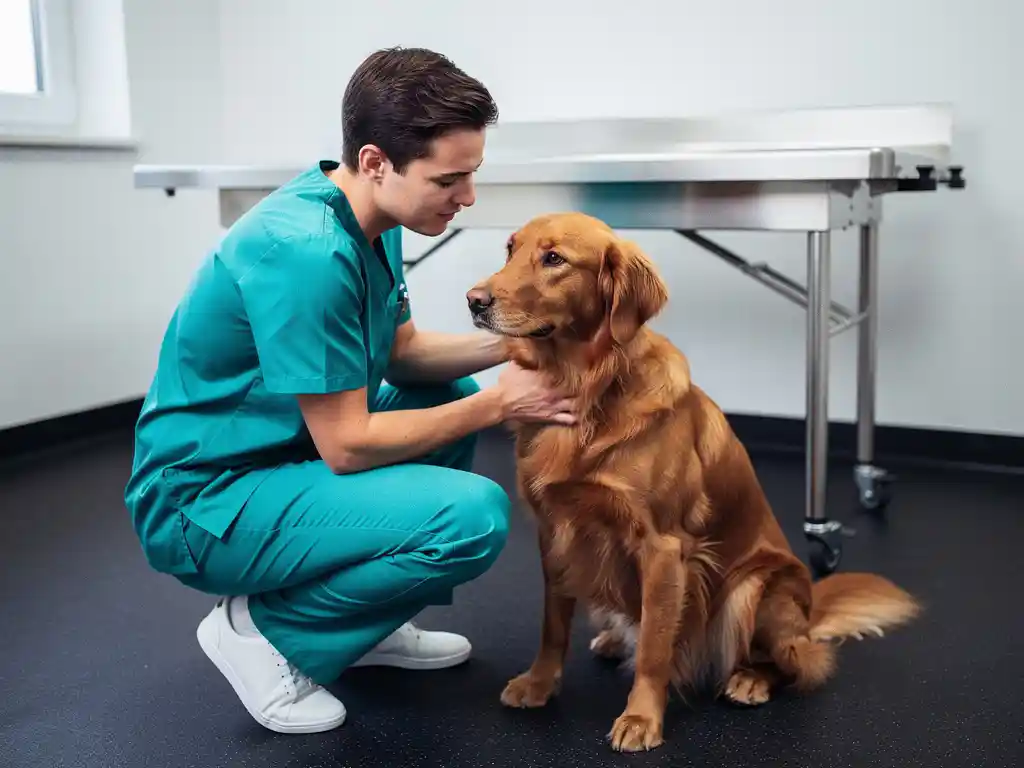
Preventing cross-contamination through flooring in an animal clinic comes down to three things: choosing the right flooring material, placing it strategically, and cleaning it consistently. Non-porous surfaces like rubber mats are among the most effective options because they do not absorb bacteria, fluids, or pathogens the way porous materials do. Combined with a solid disinfection routine and smart placement, the right flooring can significantly reduce the spread of infection between animals, staff, and treatment areas.
What is cross-contamination through flooring in an animal clinic?
Cross-contamination through flooring happens when pathogens, bacteria, or viruses transfer from one area of a clinic to another via the floor surface. This can occur through animal paws, staff footwear, wheels on equipment carts, or fluids that are not fully removed during cleaning. In a veterinary setting, this kind of contamination is a genuine infection-control risk because sick and healthy animals often share the same spaces.
Floors in animal clinics are exposed to urine, feces, blood, saliva, and dander on a daily basis. If the flooring material is porous or has deep seams and cracks, pathogens can embed themselves in the surface and survive long after routine cleaning. This is how diseases like parvovirus, ringworm, or kennel cough can spread from one patient to another even when the visible surface looks clean.
Why does flooring material matter for infection control?
Flooring material directly determines how easily pathogens can survive and spread in a clinical environment. Porous materials absorb fluids and trap microorganisms beneath the surface, making them nearly impossible to fully disinfect. Non-porous materials, on the other hand, keep contaminants on the surface, where cleaning agents can reach and eliminate them.
The texture and construction of a floor also matter. Surfaces with visible cracks, grout lines, or worn areas create micro-environments where bacteria thrive. Flooring with seams that are not properly sealed acts similarly. The fewer gaps and seams a floor has, the fewer places pathogens have to hide. This is why large-format flooring options that minimize seams are particularly useful in veterinary clinic flooring design.
Slip resistance is another factor that ties directly into hygiene. Floors that become slippery when wet may lead staff to use less water during cleaning, which means contaminated fluids are not fully removed. A surface that stays grippy even when wet allows for more thorough sanitation without creating a safety hazard for staff or animals.
What types of flooring are best for preventing contamination in vet clinics?
The best flooring for infection control in veterinary clinics is non-porous, easy to clean, and resistant to the disinfectants used in clinical settings. Rubber, epoxy resin, and sealed concrete are the most commonly recommended options. Each has strengths, but rubber matting stands out for combining hygiene with comfort, slip resistance, and durability in high-traffic areas.
Rubber flooring
Rubber is non-porous by nature, which means it does not absorb fluids or harbor bacteria beneath the surface. It holds up well to repeated disinfection, resists cracking even under heavy use, and provides a slip-resistant surface for both animals and staff. Rubber mats are also easier to replace than fixed flooring if a section becomes damaged.
Epoxy resin flooring
Epoxy creates a seamless, hard surface that is easy to clean and highly resistant to chemicals. It works well in surgical and treatment rooms but can be cold and hard underfoot, which makes it less suitable for areas where animals rest or recover. It also requires professional installation and can be costly to repair if it chips or cracks.
Sealed concrete
Sealed concrete is a practical option for larger utility areas, but the sealant needs regular maintenance. Once the seal wears down, the concrete becomes porous and difficult to disinfect properly. It is also unforgiving on joints, which can be a problem for staff who spend long hours on their feet.
How does rubber matting help reduce cross-contamination risks?
Rubber matting reduces cross-contamination risks in veterinary clinic flooring by creating a non-porous barrier that prevents fluids and pathogens from being absorbed into the floor. Because rubber does not crack, peel, or crumble, it maintains a consistent surface that is straightforward to disinfect. Its slip-resistant texture also supports thorough wet cleaning without creating hazards.
One practical advantage of rubber mats is that they can be lifted, moved, and deep-cleaned separately from the underlying floor. This makes it possible to sanitize both the mat and the surface beneath it, which is something fixed flooring cannot offer. In high-risk zones like examination tables, recovery areas, and entry points, this added layer of cleanability is genuinely useful.
Rubber also holds up well to the strong disinfectants used in clinical environments. Many flooring materials degrade when exposed repeatedly to bleach-based or phenolic disinfectants, but quality rubber mats maintain their integrity over time. This means the surface stays smooth and sealed, rather than developing micro-cracks that invite bacterial growth.
Where should rubber mats be placed in an animal clinic?
Rubber mats should be placed at every point where contamination is most likely to enter, spread, or accumulate. The most important locations are entry and exit points, examination rooms, recovery areas, grooming stations, and any transition zones between clean and dirty areas. These are the spots where pathogens move most freely if flooring is not properly managed.
- Entrance and reception areas: Mats here trap dirt, debris, and pathogens from outside before they spread through the clinic.
- Examination rooms: Animals of unknown health status pass through these rooms constantly, making surface hygiene particularly important.
- Recovery and kennel areas: Animals in recovery may have open wounds or compromised immune systems, so keeping surfaces clean here is especially important.
- Grooming stations and wash bays: These areas see heavy water and fluid exposure, making a non-porous, slip-resistant surface useful for both hygiene and safety.
- Transition corridors: Hallways between clean and contaminated zones are often overlooked but are important pathways for pathogen transfer.
Placement should also account for staff movement patterns. If staff regularly move between a treatment room and a recovery area, the flooring along that route needs the same level of attention as the rooms themselves. Contamination does not stay put, and your floor plan should reflect that reality.
How do you clean and disinfect rubber mats in a clinical setting?
Cleaning rubber mats in a veterinary clinic involves two steps: removing visible debris and organic matter first, then applying a disinfectant. Skipping the first step reduces the effectiveness of the disinfectant because organic material like blood or feces can neutralize many cleaning agents before they reach the pathogens underneath.
For daily cleaning, rinse or wipe the mat to remove surface debris, then apply a clinic-grade disinfectant appropriate for the pathogens you are targeting. Allow adequate contact time as specified by the product before rinsing. Rubber mats handle this process well because their non-porous surface means the disinfectant stays where it needs to be rather than soaking in and becoming ineffective.
For deeper periodic cleaning, rubber mats can be removed and scrubbed on both sides, then left to dry fully before being returned to the floor. This is particularly useful in recovery and kennel areas where contamination can accumulate over time. Always check that the mat is completely dry before placing animals on it again, since damp surfaces can encourage bacterial growth even after disinfection.
What mistakes make flooring a contamination risk in animal clinics?
The most common flooring mistakes that increase contamination risk in animal clinics are using porous materials, allowing cracks and seams to go unrepaired, skipping the pre-clean step before disinfecting, and failing to clean the floor beneath mats regularly. Any one of these can undermine an otherwise solid hygiene protocol.
- Using the wrong material: Carpet, untreated wood, and worn vinyl are all difficult or impossible to fully disinfect in a clinical setting.
- Ignoring seams and cracks: Even a small crack in a floor surface can harbor pathogens that survive routine cleaning.
- Skipping pre-cleaning: Applying disinfectant over organic matter reduces its effectiveness significantly.
- Neglecting the floor beneath mats: Fluids can seep under mats and create a contaminated layer that is never addressed.
- Using the same mop or cleaning equipment across zones: Cross-zone cleaning tools can transfer pathogens between clean and dirty areas.
- Replacing mats too infrequently: Mats with degraded surfaces, deep scratches, or worn edges no longer provide the same level of protection.
One often overlooked issue is the number of seams in a floor installation. More seams mean more potential gaps for fluids and pathogens to collect. Choosing larger mats or custom-made, made-to-measure rubber mats that fit your specific floor dimensions reduces the number of seams and makes the entire surface easier to keep clean. At LRP Matting, we offer made-to-measure rubber matting cut to any size or shape, so your veterinary clinic flooring works exactly the way it needs to, with fewer gaps and a simpler cleaning routine.
Frequently Asked Questions
How often should rubber mats in a veterinary clinic be fully replaced?
Rubber mats should be replaced when they show signs of surface degradation such as deep scratches, cracks, peeling edges, or a noticeably worn texture that is harder to clean effectively. As a general rule, high-traffic areas like examination rooms and entry points should be inspected every 6–12 months, while lower-traffic zones can be assessed annually. A mat that no longer lies flat or has lifted edges should also be replaced promptly, as fluid can pool underneath and create a hidden contamination risk.
Can I use any disinfectant on rubber mats, or are some products harmful to the material?
Not all disinfectants are compatible with rubber matting. Harsh solvent-based cleaners or very high concentrations of certain chemicals can cause rubber to swell, crack, or degrade over time. Bleach-based, quaternary ammonium, and accelerated hydrogen peroxide disinfectants are generally safe for quality rubber mats, but always check the manufacturer’s guidelines for your specific product. When in doubt, test a small inconspicuous area first and monitor for any changes in surface texture or colour after repeated use.
How do I create a clear separation between 'clean' and 'dirty' zones in my clinic using flooring?
The most effective approach is to use visually distinct mat colours or flooring finishes to physically mark the boundary between clean and contaminated zones, making it immediately obvious to all staff when they are crossing into a different area. Place dedicated mats at every zone transition point and establish a strict protocol that cleaning equipment — mops, buckets, and cloths — never crosses from a dirty zone into a clean one without being sanitised first. Pairing this with staff training on zone discipline is essential, because even the best flooring setup cannot compensate for inconsistent human behaviour.
Is rubber matting suitable for surgical or sterile procedure rooms, or is it better reserved for other areas?
Rubber matting can be appropriate in surgical prep and procedure rooms as long as it is a seamless or minimal-seam format that can withstand frequent, rigorous disinfection. However, many clinics opt for epoxy resin in true sterile environments because of its completely seamless, bonded surface. Rubber mats are particularly well-suited to the areas immediately surrounding surgical suites — such as scrub areas, recovery rooms, and corridors — where comfort, slip resistance, and easy replaceability are priorities alongside hygiene.
What should I do if a highly contagious animal (such as a parvovirus case) has been treated in a room — is standard mat cleaning enough?
Standard daily cleaning is not sufficient after a confirmed contagious case involving pathogens like parvovirus, which is notoriously resilient in the environment. In these situations, rubber mats should be removed immediately and subjected to a deep clean on both sides using a disinfectant with proven efficacy against that specific pathogen — for parvovirus, this typically means a bleach-based solution at the correct dilution with full contact time observed. The floor beneath the mat must also be thoroughly disinfected before the mat is returned, and the room should ideally be kept out of use until the disinfection process is fully complete and surfaces are dry.
Are there any flooring considerations specific to clinics that treat both small animals and large animals?
Mixed-species clinics face additional challenges because large animals exert significantly more pressure on flooring surfaces, meaning mats need to be thicker and more impact-resistant to maintain their integrity over time. The pathogens associated with large animals can also differ from those in small animal practice, so disinfectant selection and cleaning protocols may need to be adapted for each area. Keeping large and small animal zones physically separated with dedicated flooring and cleaning equipment for each is strongly recommended to prevent cross-species pathogen transfer.
How can I get staff to consistently follow flooring hygiene protocols without it becoming a compliance issue?
The most effective strategy is to make the correct behaviour the easiest behaviour — this means placing cleaning supplies, mat-lifting tools, and disinfectants exactly where they are needed rather than in a central store room. Visual reminders at zone transition points and clear, laminated cleaning checklists posted in each area remove ambiguity about what needs to be done and when. Involving staff in the development of the cleaning protocol also increases buy-in, and periodic spot-checks or brief refresher training sessions help maintain standards without creating a culture of blame.
Related Articles
- How do you evaluate environmentally friendly flooring?
- How do you reduce stress through facility design?
- What should you consider when designing an animal facility?
- How do weather conditions affect outdoor sports surfaces?
- What flooring is best for a large animal veterinary wash area?
- How do you maintain a safe surface in a professional athletic facility year-round?
- What type of flooring is used in professional sports training facilities?
- How do you choose flooring for a multi-sport facility?
- What flooring is best for a large animal veterinary examination room?
- How often should you replace horse stall bedding?