
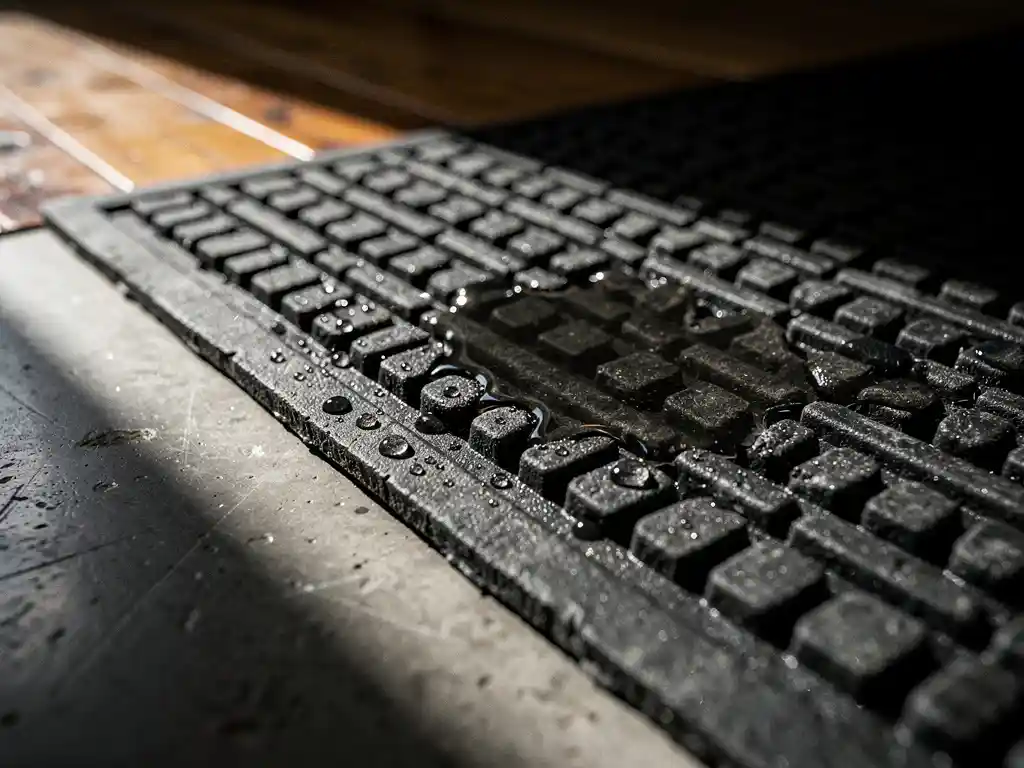
Different floor materials affect slip resistance primarily through their surface texture, porosity, and how they respond to moisture. Smooth, hard surfaces like polished concrete or glazed tile offer very little grip, especially when wet, while textured or flexible materials like rubber provide significantly more traction. The coefficient of friction is the standard measure used to compare how slippery a surface is. Below, we answer the most common questions about floor safety and slip resistance so you can make smarter decisions for your space.
Which floor materials have the highest slip resistance?
Rubber, textured concrete, and vinyl with embossed patterns consistently rank among the highest for slip resistance. These materials maintain grip in both dry and wet conditions because of their surface texture and flexibility. Polished marble, glazed ceramic tile, and smooth hardwood sit at the opposite end of the scale, offering minimal traction and posing a real floor safety risk in high-traffic or wet environments.
Here is a general ranking from highest to lowest slip resistance:
- Rubber flooring: High grip, flexible surface, performs well when wet
- Textured concrete or aggregate finishes: Durable and grippy, though performance drops with heavy wear
- Vinyl with surface texture: Good traction when maintained properly
- Carpet: High friction but difficult to clean and unsuitable for many commercial settings
- Smooth hardwood: Low grip, especially when dusty or damp
- Polished tile and marble: Very low friction, particularly when wet
The right choice depends on your environment. A gym floor has different demands than a commercial kitchen or a factory floor. What matters most is matching the material to the conditions it will actually face.
What is the coefficient of friction and why does it matter?
The coefficient of friction (COF) is a number that measures how much resistance exists between two surfaces in contact. For flooring, it describes how much grip a surface provides underfoot. A higher COF means more traction and lower slip risk. Industry guidelines generally recommend a COF of at least 0.5 for walkable surfaces, with higher values required in wet or industrial environments.
COF is measured in two ways. Static COF measures the force needed to start movement from a standstill, while dynamic COF measures resistance during motion. For slip and fall prevention, dynamic COF is often more relevant because it reflects what happens when someone is already walking and their foot begins to slide.
During a floor safety inspection, COF testing helps identify surfaces that fall below safe thresholds. It gives facility managers an objective, measurable way to assess floor hazards rather than relying on guesswork. If a surface tests below recommended COF values, it signals that intervention is needed, whether that means replacing the flooring, applying a surface treatment, or adding matting in high-risk zones.
How does surface texture affect a floor’s grip?
Surface texture directly affects grip by increasing the contact area between a shoe or foot and the floor. A textured surface creates micro-level irregularities that interlock with footwear, generating friction. A smooth surface offers far less of this mechanical engagement, which is why polished floors feel slippery even when dry.
Texture works in two ways. Macro-texture refers to visible patterns, like grooves, ridges, or raised studs, that you can see and feel. Micro-texture refers to the fine roughness of the material itself at a smaller scale. Both contribute to floor safety. A surface can have strong macro-texture but still be slippery if the micro-texture is worn smooth over time.
This is why regular floor safety inspections matter. High-traffic areas wear down surface texture faster than lower-use zones. A floor that tested well when first installed may no longer provide adequate slip resistance after years of use. Checking for visible wear, smoothing, or surface damage helps catch floor hazards before they lead to incidents.
Does flooring material perform differently when wet?
Yes, most flooring materials perform significantly worse when wet. Water acts as a lubricant between a shoe and the floor surface, reducing friction and increasing slip risk. The degree of performance drop varies widely by material. Rubber retains much of its grip when wet because of its surface flexibility and texture. Polished tile, smooth concrete, and hardwood can become dangerously slippery with even a small amount of moisture.
Porous materials like unfinished concrete can absorb water and maintain some texture, but they also harbor bacteria and are harder to clean. Non-porous materials like rubber and glazed tile repel moisture, but their traction characteristics diverge sharply. Glazed tile sheds water without absorbing it, but its smooth surface becomes a floor hazard. Rubber sheds water while its textured surface continues to grip.
Wet conditions are one of the leading contributors to slip and fall prevention failures in commercial and industrial spaces. Entryways, kitchens, bathrooms, poolside areas, and outdoor transition zones all face elevated moisture exposure. In these areas, choosing a flooring material specifically rated for wet conditions is a practical step that directly reduces risk.
What’s the difference between anti-fatigue and anti-slip mats?
Anti-fatigue mats and anti-slip mats serve different purposes, though they can share some properties. Anti-fatigue mats are designed to reduce physical strain on workers who stand for long periods. They work by providing a cushioned, slightly unstable surface that encourages small muscle movements, improving circulation and reducing discomfort. Anti-slip mats are designed specifically to prevent sliding, either by gripping the floor beneath them or by providing a high-friction surface for people walking on top.
Some mats combine both functions. A rubber mat with a textured top surface and a non-slip backing, for example, addresses both fatigue and traction at the same time. But it is worth understanding the distinction because choosing the wrong type for the wrong application can leave you with a gap in either safety or comfort.
In industrial and commercial environments, the two needs often overlap. Workers standing on assembly lines or in commercial kitchens benefit from fatigue reduction, but those same floors are often wet or contaminated with oils and debris, making slip resistance equally important. In those cases, a mat that addresses both concerns is the more practical choice.
How do you choose the right flooring for high-risk slip areas?
Choosing the right flooring for high-risk slip areas starts with identifying the specific hazards in that space. Wet conditions, oils, heavy foot traffic, and temperature extremes all call for different material properties. Once you understand the hazard profile, you can match a flooring solution to those conditions rather than picking based on appearance or cost alone.
Key factors to evaluate include:
- Coefficient of friction rating: Look for materials with COF values that meet or exceed the requirements for your specific environment
- Wet performance: Confirm how the material performs when exposed to the liquids it will actually encounter
- Durability under load: Heavy equipment, foot traffic, and wheeled vehicles all degrade surface texture over time
- Ease of cleaning: Surfaces that trap contaminants become floor hazards quickly; non-porous materials are easier to maintain
- Compliance with safety standards: Some industries have specific flooring requirements that must be met
For areas where the existing floor cannot be replaced, adding matting in the highest-risk zones is a practical and cost-effective approach. Mats can be placed at entrances, near machinery, in wet processing areas, and anywhere foot traffic concentrates. Regular floor safety inspections help you monitor whether the flooring continues to meet performance standards over time and identify where additional measures are needed.
At LRP Matting, we manufacture rubber mats built for exactly these kinds of demanding environments. From industrial floors to commercial spaces, our mats are made from 100% recycled rubber and many feature our proprietary FRC® material for added strength and durability. If you are looking for a matting solution that genuinely holds up under pressure, explore our industrial matting options to find the right fit for your space.
Frequently Asked Questions
How often should floor safety inspections be conducted in high-risk commercial or industrial spaces?
For most high-traffic commercial and industrial environments, floor safety inspections should be conducted at least quarterly, with visual checks performed daily or weekly in areas exposed to moisture, oils, or heavy equipment. High-wear zones like entryways, kitchen floors, and loading docks tend to degrade faster and may need more frequent assessment. Keeping a log of inspection results over time also helps you spot trends, such as recurring surface wear in specific areas, so you can take proactive steps before a slip incident occurs.
Can anti-slip treatments or coatings be applied to existing slippery floors instead of replacing them?
Yes, anti-slip coatings, etching treatments, and adhesive tapes can improve the COF of existing surfaces without requiring full floor replacement. These solutions work by chemically or mechanically increasing micro-texture on the surface, which improves grip particularly in wet conditions. However, their effectiveness varies by material and they require regular reapplication as they wear down over time. They are best used as a short-term fix or supplementary measure rather than a permanent replacement for a properly rated flooring material.
What are the most common mistakes facility managers make when selecting flooring for slip-prone areas?
One of the most common mistakes is prioritizing aesthetics or upfront cost over COF ratings and wet-condition performance, which can lead to flooring that looks great but creates real safety hazards. Another frequent error is failing to account for how the surface will perform after wear, since many floors test well when new but lose their texture and grip within a few years of heavy use. Neglecting to verify compliance with industry-specific safety standards is also a costly oversight, particularly in food processing, healthcare, and manufacturing environments where regulations may dictate minimum COF requirements.
Are there specific flooring or matting standards I should look for to ensure a product meets safety requirements?
Yes, several recognized standards govern slip resistance in flooring products. In the United States, ASTM International publishes test methods such as ASTM F1679 and ASTM F2508 for measuring COF, while OSHA provides general guidelines for walking surface safety. The Americans with Disabilities Act (ADA) also sets accessibility-related surface requirements. For specific industries like food service or healthcare, additional standards from bodies like NSF International or local building codes may apply. Always ask suppliers for documented COF test results and confirm which standards their products are tested against before purchasing.
How do I know if a rubber mat is actually staying in place and not becoming a trip hazard itself?
A rubber mat becomes a trip hazard when its backing loses grip on the floor surface beneath it, causing it to shift, curl at the edges, or bunch up under foot traffic. To prevent this, look for mats with a high-grip, non-slip backing specifically designed for the floor type you are placing them on, whether that is smooth concrete, tile, or another surface. Regularly inspect mats for curling edges, surface wear, and backing degradation, and replace them when they no longer lie flat and stable. Mats that are too small for the traffic zone or improperly sized for doorways are also more prone to movement and should be resized accordingly.
Is rubber flooring or matting a good option for outdoor or transitional spaces exposed to weather?
Rubber is one of the best-performing materials for outdoor and transitional spaces because it maintains strong grip in wet conditions, resists UV degradation better than many alternatives, and handles temperature fluctuations without cracking or warping. Recycled rubber products in particular tend to be dense and durable enough to withstand freeze-thaw cycles and direct exposure to rain. For entryways and transition zones where outdoor moisture gets tracked inside, rubber mats also serve a dual function by providing traction while scraping debris and water off footwear before it reaches interior flooring.
What should I do immediately after a slip and fall incident to assess and address the floor hazard?
After ensuring the injured person receives appropriate care, the first step is to document the exact location, floor condition, and any contributing factors such as moisture, debris, or visible surface wear, ideally with photographs taken before the area is cleaned or altered. Temporarily restrict access to the area if the hazard is still present, and place wet floor signage or barriers as an immediate precaution. Then conduct a formal floor safety inspection of the affected zone, including COF testing if possible, to determine whether the surface meets recommended safety thresholds. Use the findings to decide whether matting, a surface treatment, or full flooring replacement is the appropriate corrective action, and document all steps taken to demonstrate due diligence.
Related Articles
- What should be included in a sports surface safety inspection?
- What causes sports facility floors to wear out?
- What makes a sports surface safe?
- What areas of a facility have the highest slip risk?
- What role does floor maintenance play in safety?
- What is the best flooring for an equine breeding facility?
- How do rubber mats extend the life of a warehouse floor?
- What is the best way to cover an uneven barn floor?
- How do you reduce fall risk for horses in a veterinary facility?
- What is the best flooring for a horse barn aisle?