
A floor maintenance plan is a structured schedule that defines how, how often, and with what methods your floors and floor coverings will be cleaned, inspected, and repaired. It covers everything from daily sweeping routines to annual deep cleans and replacement timelines. A solid plan helps you extend the life of your flooring, reduce slip hazards, and avoid costly emergency repairs. Below, we walk through the most practical questions around building and following a plan that actually works.
What does a floor maintenance plan include?
A floor maintenance plan includes a cleaning schedule, inspection intervals, a list of approved cleaning products and tools, responsibilities assigned to specific staff or contractors, and a process for logging maintenance activities. It covers all floor types in your facility and sets clear standards for what “clean” and “safe” look like in your specific environment.
Think of it as a living document rather than a one-time checklist. The plan should reflect the reality of your facility: how much foot traffic you get, what kinds of spills or debris are common, and what your floors are made of. A gym floor needs different attention than a warehouse aisle or a commercial kitchen.
The core components of a practical floor maintenance plan are:
- Daily tasks: Sweeping, mopping, spot cleaning, and removing debris
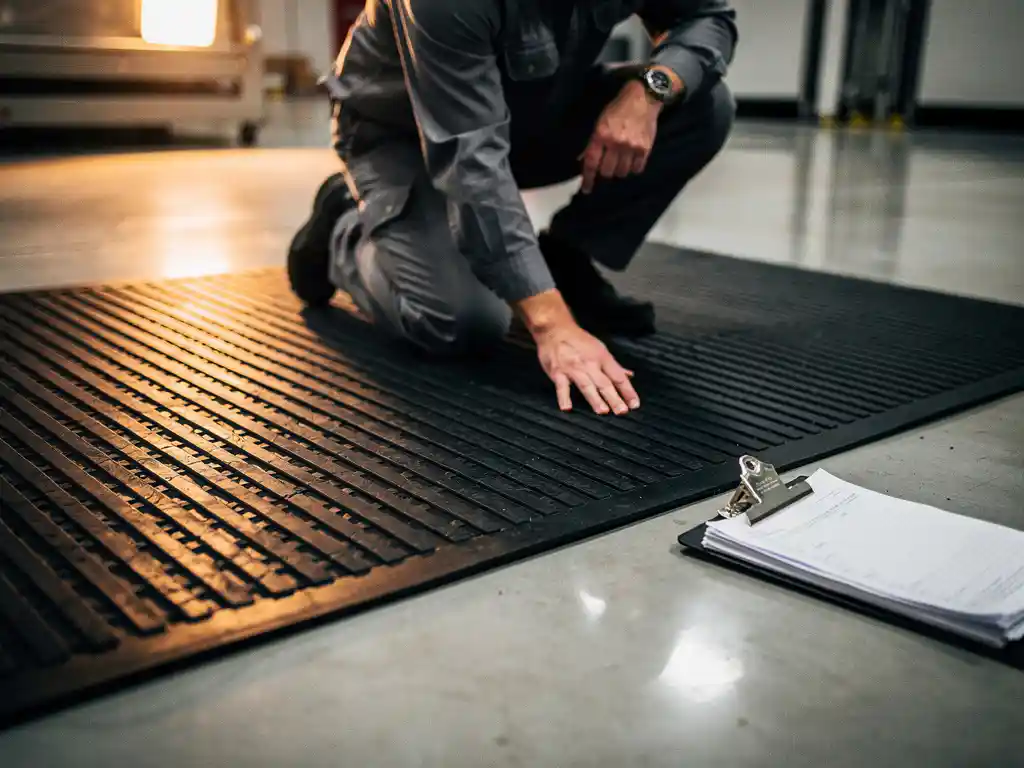
- Weekly tasks: More thorough scrubbing, checking mats for wear or displacement
- Monthly tasks: Deep cleaning, inspecting for damage, treating surfaces as needed
- Quarterly or annual tasks: Assessing whether flooring or matting needs repair or replacement
- Documentation: Logging what was done, when, and by whom
Documenting your maintenance activities is often overlooked, but it matters. A log gives you a clear picture of how your floors are aging and helps you spot patterns, like a mat that keeps shifting or a section of floor that gets unusually dirty.
How often should different floor types be maintained?
Maintenance frequency depends on the floor material, the amount of traffic it receives, and the type of environment. High-traffic commercial and industrial floors generally need daily attention, while lower-traffic areas can often follow a weekly or biweekly schedule. The floor material itself also determines what kind of maintenance is appropriate.
Here is a general guide by floor type:
- Concrete: Sweep daily in high-traffic areas; scrub and degrease weekly or as needed; seal annually
- Vinyl or LVT: Damp mop daily; strip and refinish every six to twelve months depending on wear
- Carpet: Vacuum daily in commercial settings; deep clean every three to six months
- Rubber matting: Sweep or vacuum regularly; wash with mild detergent and water as needed; inspect monthly for wear
- Hardwood: Sweep or dust mop daily; deep clean and refinish based on manufacturer guidance
In industrial or agricultural environments, floors may need attention more than once per day due to the volume of activity, moisture, or debris involved. Preventive maintenance works best when frequency is matched to actual conditions rather than a generic calendar.
What are the most common floor maintenance mistakes?
The most common floor maintenance mistakes are using the wrong cleaning products for the floor type, skipping inspections until visible damage appears, and failing to address spills or moisture quickly. These oversights accelerate wear, create safety risks, and often lead to more expensive repairs down the line.
Other frequent mistakes include:
- Over-wetting floors: Excess moisture can seep under flooring materials and cause warping, mold, or adhesive failure
- Using harsh chemicals: Bleach or solvent-based cleaners can degrade rubber, vinyl, and other materials over time
- Ignoring high-traffic zones: Entry points, loading areas, and walkways take more punishment and need more frequent attention
- Not replacing worn mats: A mat that has lost its grip or cushioning no longer does its job and can become a hazard itself
- Skipping documentation: Without records, it is easy to miss maintenance intervals or repeat work unnecessarily
Facility maintenance teams that treat floor care reactively rather than proactively tend to spend more over time. A small crack or worn surface addressed early is far cheaper to fix than a full floor replacement.
How do you clean and care for rubber mats specifically?
Rubber mats should be cleaned regularly with mild detergent and water, rinsed thoroughly, and allowed to dry before being put back in place. Avoid harsh solvents, oil-based cleaners, or high-pressure steam on rubber, as these can break down the material over time. Routine care keeps rubber mats hygienic, grippy, and long-lasting.
For day-to-day upkeep, sweeping or vacuuming removes loose debris before it gets ground into the surface. For deeper cleans, scrubbing with a stiff brush and a mild soap solution works well. Rubber is non-porous, which means it does not absorb moisture or harbor bacteria the way porous materials can. This makes it one of the easier floor coverings to maintain in commercial and industrial settings.
A few practical tips for rubber mat care:
- Lift and clean underneath mats regularly to prevent moisture buildup on the subfloor
- Check mat edges and corners for curling, which can create a trip hazard
- Rotate mats in high-traffic areas to distribute wear more evenly
- Avoid dragging heavy equipment across rubber mats, as this can cause surface tearing
When should rubber mats be replaced versus repaired?
Rubber mats should be replaced when they show significant surface wear, have lost their anti-slip texture, are cracking or crumbling, or no longer lie flat. Minor tears or edge damage can sometimes be addressed without full replacement, but if the mat’s safety or performance is compromised, replacement is the right call.
Signs that a rubber mat has reached the end of its useful life include:
- Visible cracking or brittleness across the surface
- Loss of grip or cushioning underfoot
- Persistent curling or buckling that does not flatten even after repositioning
- Tears or holes that create uneven surfaces
- Discoloration or odor that does not clear up after cleaning
In contrast, a mat with a minor edge tear or a small surface scuff may still perform well and can continue to be used if it does not pose a safety risk. The decision comes down to function: does the mat still protect the surface, reduce fatigue, and prevent slips? If not, replacement is more cost-effective than repeated repairs.
High-quality rubber mats made from durable materials tend to have longer service lives, which makes the replacement decision less frequent and the overall cost of ownership lower.
What tools and products do you need for floor maintenance?
The tools and products you need for floor maintenance depend on your floor types, but a practical starting kit includes a commercial-grade mop and bucket, a stiff-bristle scrub brush, a wet-dry vacuum, pH-neutral or floor-specific cleaning solutions, and a supply of replacement mats or floor protection where needed. Having the right tools on hand makes it easier to stick to your maintenance schedule.
For facilities with rubber matting, the toolkit is relatively simple:
- Stiff-bristle brush or deck scrubber: For scrubbing mat surfaces without damaging the rubber
- Mild detergent: A pH-neutral soap is safe for rubber and effective at removing grease and grime
- Wet-dry vacuum or squeegee: For removing rinse water quickly
- Inspection checklist: A simple form to log mat condition, cleaning dates, and any damage noted
For hard floors like concrete or vinyl, you may also need a floor scrubber machine for larger areas, a degreaser for industrial zones, and appropriate sealants or finishes applied on a scheduled basis.
Investing in the right tools upfront saves time and reduces the risk of using products that damage your floors. Always check manufacturer guidance for the specific materials in your facility before introducing a new cleaning product.
At LRP Matting, we offer rubber mats built to hold up under demanding conditions, which means less maintenance effort and longer intervals between replacements. Whether you are outfitting a commercial space, an industrial floor, or an agricultural facility, choosing the right mat from the start makes your entire maintenance plan easier to manage. Explore our full range of commercial rubber matting solutions to find the right fit for your environment.
Frequently Asked Questions
How do I get started if my facility has never had a formal floor maintenance plan before?
Start by doing a full walkthrough of your facility and cataloguing every floor type and high-traffic zone. From there, build your schedule around the most demanding areas first — entry points, loading zones, and wet areas — then layer in the rest. You do not need a perfect plan on day one; a simple written schedule with assigned responsibilities is far more effective than an elaborate document that never gets followed.
How do I know which cleaning products are safe for my specific floor type?
Always start with the flooring manufacturer’s care guidelines, as using an incompatible product can void warranties and cause irreversible damage. As a general rule, pH-neutral cleaners are the safest choice across most floor types, including rubber, vinyl, and hardwood. When in doubt, test a new product on a small, inconspicuous area before applying it across the entire surface.
Can rubber mats be used outdoors, and does outdoor use change how they should be maintained?
Yes, many rubber mats are suitable for outdoor use, but outdoor conditions do accelerate wear from UV exposure, temperature fluctuations, and heavier debris. For outdoor mats, increase your inspection frequency and rinse them down more regularly to prevent grit from grinding into the surface. Check specifically for brittleness or surface cracking, as these signs appear sooner in outdoor environments than indoors.
How can I tell if a slip hazard is coming from the floor itself or from a worn mat on top of it?
Lift the mat and inspect the subfloor for moisture, residue buildup, or surface degradation — these are signs the floor itself may be contributing to the hazard. Then check the mat’s underside for worn grip backing and its top surface for loss of anti-slip texture. In many cases, both the mat and the floor beneath it need attention, which is why cleaning underneath mats regularly is such an important part of any maintenance routine.
What is the best way to train staff to follow a floor maintenance plan consistently?
Keep the plan simple, visual, and accessible — a laminated checklist posted in a storage room is more likely to be used than a detailed manual filed in an office. Pair written instructions with a brief hands-on walkthrough so staff understand not just what to do, but why it matters for safety and cost. Reviewing the maintenance log together during team check-ins also reinforces accountability without making it feel like an audit.
How does foot traffic volume affect how quickly floors and mats need to be replaced?
Higher foot traffic accelerates surface wear, compresses cushioning materials, and increases the frequency of spills and debris — all of which shorten the lifespan of both floors and matting. A mat rated for light commercial use may last years in a low-traffic office but degrade within months in a busy warehouse or food processing facility. Matching the product’s durability rating to your actual traffic level is one of the most cost-effective decisions you can make when outfitting a facility.
Is it worth investing in higher-quality rubber mats, or do budget options perform just as well?
Higher-quality rubber mats made from denser, more resilient compounds typically last significantly longer, maintain their anti-slip properties better under heavy use, and are easier to clean — making them more cost-effective over time despite the higher upfront price. Budget mats may seem like a saving initially, but frequent replacements, increased cleaning effort, and higher slip-hazard risk add up quickly. For demanding environments like industrial floors, commercial kitchens, or agricultural facilities, investing in durable matting from the start is almost always the smarter long-term choice.
Related Articles
- How can preventative maintenance reduce unexpected floor repairs?
- How do you reduce stress through facility design?
- What factors increase floor wear in manufacturing environments?
- How do weather conditions affect outdoor floor safety?
- What makes a floor safe?
- What is the difference between anti-fatigue mats and standard rubber mats?
- What is the best flooring for a high-traffic horse barn?
- What is the most comfortable floor surface for a horse to stand on?
- How do you fit flooring in an irregularly shaped sports facility area?
- What causes sports facility floors to deteriorate so quickly?