
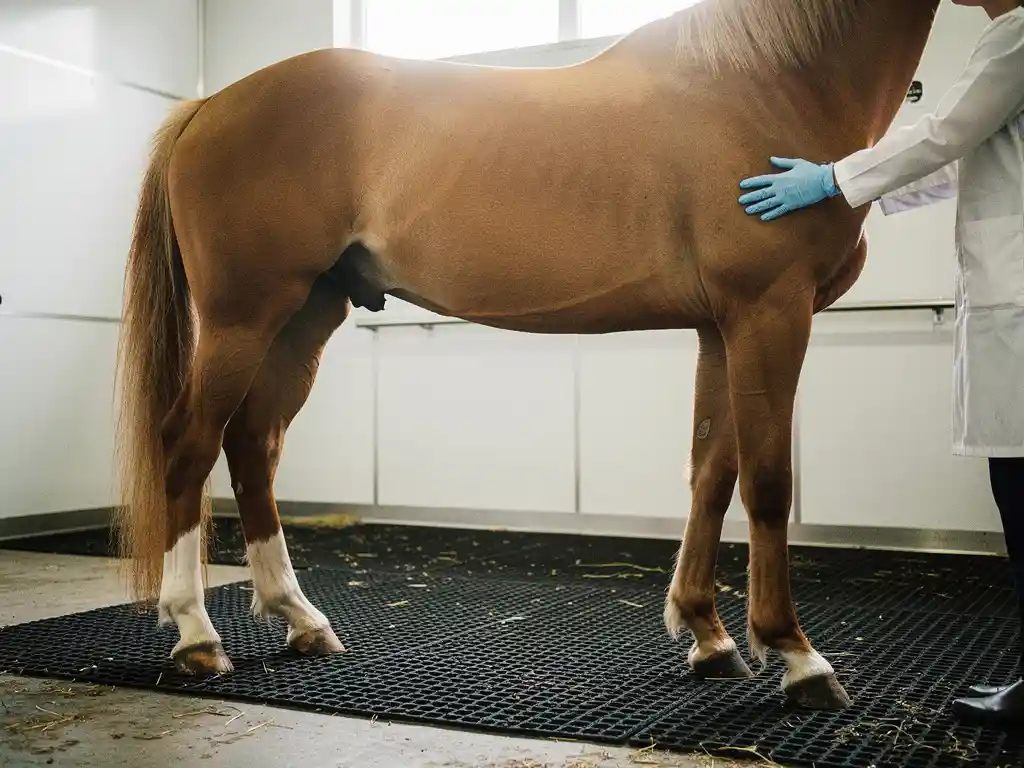
Reducing fall risk for horses in a veterinary facility starts with the right flooring. Horses are large, heavy animals that can panic easily in unfamiliar environments, and slippery or uneven surfaces dramatically increase the chance of a fall. The most effective way to protect them is to install anti-slip rubber matting in high-traffic and high-risk areas such as exam rooms, wash bays, recovery areas, and corridors. Pair that with good drainage, regular maintenance, and a calm handling approach, and you significantly reduce the risk of injury to both horses and staff.
Why are horses at high fall risk in veterinary facilities?
Horses are at high risk of falling in veterinary facilities because they are large prey animals that respond to stress and unfamiliar environments with sudden movement, spooking, or resistance. Combined with hard, smooth flooring surfaces that offer little grip, even a small slip can quickly escalate into a dangerous fall for the horse and anyone nearby.
Unlike their natural outdoor environment, veterinary clinics present horses with a range of unfamiliar sensory inputs: new smells, sounds, and surfaces. Sedation and post-surgical recovery add another layer of risk, as a horse that is groggy or disoriented has reduced muscle control and slower reflexes. Veterinary staff working in these conditions need every environmental advantage they can get, and flooring is one of the most controllable factors in the equation.
The sheer weight of a horse also means that a fall can have serious consequences. A horse weighing 1,000 pounds or more hitting a hard floor can suffer severe injuries, and anyone caught in the fall faces significant danger as well. Addressing fall risk is not just about animal welfare; it is a genuine safety concern for the entire team working in the facility.
What surfaces are most dangerous for horses in a vet clinic?
The most dangerous surfaces for horses in a veterinary clinic are smooth concrete, polished tile, and wet epoxy-coated floors. These materials offer minimal traction, especially when wet from water, urine, or cleaning solutions. A horse that loses its footing on any of these surfaces has very little chance of regaining its balance before a fall occurs.
Smooth concrete is the most common problem surface in veterinary facilities because it is durable, affordable, and easy to install. However, its low coefficient of friction becomes a serious hazard the moment it gets wet. Wash bays, recovery stalls, and examination areas are all zones where moisture is almost guaranteed, making bare concrete a poor choice in those locations.
Polished tile and sealed epoxy floors share the same problem. While they look clean and professional, their smooth finish provides very little grip for a horse’s hooves. Gaps between tiles can also catch a hoof at an awkward angle, creating a tripping hazard. Even textured concrete can become dangerously slick over time as the surface wears down with heavy use.
How does flooring reduce fall risk for horses?
The right flooring reduces fall risk for horses by providing grip, cushioning, and stability underfoot. Anti-slip surfaces give hooves something to push against, reducing the chance of slipping during movement or when a horse shifts its weight suddenly. Cushioned flooring also absorbs impact, which helps horses recover their footing more quickly if they do stumble.
Grip is the most immediate benefit. A textured or studded rubber surface creates friction between the hoof and the floor, even when wet. This is especially valuable in wash bays and recovery areas where water and other fluids are common. The difference between a smooth concrete floor and a properly textured rubber mat in those conditions is significant.
Cushioning plays a secondary but equally useful role. Horses that feel unstable on a hard surface often tense up, which can actually increase the risk of injury if they do fall. A floor with some give underfoot encourages a more natural, relaxed gait and reduces physical stress on joints and hooves during the visit. This is particularly relevant for horses recovering from surgery or those with existing joint conditions.
Good drainage is another factor. Flooring that channels water away from the surface rather than letting it pool keeps the floor drier and safer throughout the day. Some rubber matting systems are designed with drainage in mind, helping veterinary clinic staff maintain a safer environment with less effort.
What type of rubber matting is best for equine veterinary facilities?
The best rubber matting for equine veterinary facilities is thick, anti-slip rubber matting made from high-quality, durable rubber with a textured surface and good drainage properties. Mats made from Fiber-Reinforced Rubber Compound (FRC®) are particularly well-suited because they offer superior strength and longevity under the heavy loads and constant use that a busy clinic demands.
Key features to look for in equine veterinary matting
Thickness matters more than many people realize. A thicker mat provides better cushioning and is less likely to shift or buckle under the weight of a large animal. For equine applications, mats in the range of three-quarters of an inch to over one inch thick are generally recommended, depending on the specific area and use case.
Surface texture is equally important. Studded or hammer-top surfaces provide reliable traction in wet conditions, which is exactly what you need in wash bays and recovery areas. A flat-surfaced mat, even if made from rubber, will not perform as well in high-moisture environments.
Why FRC® rubber stands out
Fiber-Reinforced Rubber Compound mats are stronger than standard rubber because the fiber reinforcement adds structural integrity without adding excessive weight. This means the mats resist tearing, compression, and surface wear far better than conventional options. In a veterinary setting where mats are cleaned frequently with strong disinfectants and subjected to heavy hoof traffic, that durability translates directly into longer service life and better value.
Non-porous rubber is also a practical advantage in a clinical environment. Because it does not absorb moisture, bacteria cannot penetrate the surface, making hygiene management much more straightforward. A quick clean with mild detergent and water is all it takes to keep the surface sanitary between uses.
Where should anti-slip mats be installed in a horse veterinary facility?
Anti-slip mats should be installed in every area where a horse walks, stands, or recovers in a veterinary facility. The highest-priority locations are wash bays, examination areas, recovery stalls, loading and unloading ramps, and any corridor or alleyway that horses regularly pass through. These are the zones where slipping is most likely and the consequences are most serious.
Wash bays are arguably the single most important location to address. Water is constantly present, and horses are often handled by staff at close range, which means a slip puts multiple people at risk. A full-coverage rubber mat installation in the wash bay removes the most common cause of falls in that space.
Recovery stalls deserve equal attention. A horse coming out of sedation or anesthesia has reduced coordination and muscle control. Placing thick, cushioned rubber matting across the entire floor of a recovery stall gives the animal the best possible surface to regain its footing safely. The cushioning also reduces the risk of injury if the horse does go down during recovery.
Ramps and loading areas are another zone that is easy to overlook but genuinely important. Horses entering and exiting trailers or walking up ramps to exam areas are often already anxious, and a slippery ramp surface amplifies that risk considerably. Trailer ramp mats designed specifically for this purpose provide the grip and confidence horses need to move safely in these transitional spaces.
Corridors and alleyways connecting different areas of the facility should also be covered. A horse that slips in a hallway can injure itself and create a dangerous situation for anyone nearby. Continuous matting along these routes creates a consistent, safe surface throughout the facility rather than leaving gaps where accidents can happen.
How do you maintain rubber mats in a veterinary setting?
Maintaining rubber mats in a veterinary setting is straightforward. Clean them regularly with mild detergent and water, inspect them periodically for signs of wear or shifting, and ensure drainage channels remain clear. Because rubber is non-porous, it does not harbor bacteria the way porous materials do, which makes routine cleaning both effective and efficient.
For daily cleaning, a hose-down followed by a scrub with a mild disinfectant is sufficient for most areas. In high-use zones like wash bays and recovery stalls, a more thorough cleaning after each use is a good practice. Avoid harsh solvents or bleach-based cleaners that can degrade the rubber surface over time and shorten the mat’s service life.
Periodically check that mats are lying flat and have not shifted out of position. Even well-fitted mats can move slightly over time with heavy use. Mats that have curled edges or gaps between sections create trip hazards, so addressing any movement quickly is important. Some mat systems include fastening options or interlocking designs that help keep everything in place between inspections.
Look out for surface wear in the highest-traffic areas. The anti-slip texture on a rubber mat is what provides its safety benefit, so a mat that has worn smooth in key areas needs to be replaced. Investing in high-quality, durable mats from the start reduces how often this becomes a concern, but no mat lasts forever, and regular checks keep the system performing as intended.
When it comes to equine veterinary flooring, getting the right solution in place from the start saves time, money, and stress in the long run. At LRP Matting, we offer custom rubber matting solutions cut to any size or shape, so every area of your facility gets the coverage it needs without awkward gaps or unnecessary seams. If you want to talk through what would work best for your space, we are happy to help you find the right fit.
Frequently Asked Questions
How do I get started with retrofitting an existing veterinary facility with anti-slip matting?
Start by walking through your facility and identifying the highest-risk zones first — wash bays, recovery stalls, and loading ramps should be your immediate priorities. Take accurate measurements of each area and note any obstacles like drains, fixed equipment, or door thresholds that will affect mat placement. From there, consult with a matting supplier who can provide custom-cut solutions to ensure full coverage without gaps or awkward seams that could become trip hazards.
Can rubber mats withstand the heavy-duty disinfectants commonly used in veterinary clinics?
High-quality rubber mats, particularly those made from Fiber-Reinforced Rubber Compound (FRC®), are generally resistant to the mild disinfectants used in routine veterinary cleaning. However, harsh chemicals like undiluted bleach or strong solvent-based cleaners can degrade the rubber surface over time, reducing both its structural integrity and its anti-slip texture. Always check the manufacturer’s cleaning recommendations and stick to pH-neutral or mild disinfectants to extend the life of your mats.
What should I do if a horse is particularly anxious or resistant to walking on rubber matting for the first time?
Some horses are initially wary of new surfaces, especially if the mat has a distinct texture or slight give underfoot. Allow the horse to approach and investigate the mat at its own pace before asking it to walk across, and use calm, steady handling to reduce stress. In most cases, horses quickly adapt once they feel the improved grip underfoot — the secure footing actually tends to settle anxious horses rather than agitate them further.
How thick should rubber matting be for a horse recovery stall specifically?
For recovery stalls, where a horse may be coming out of sedation or anesthesia and could go down before regaining full coordination, thicker is better — aim for at least one inch of thickness to provide meaningful cushioning alongside anti-slip traction. Thicker mats also stay flatter and are less likely to shift under the unpredictable movements of a recovering horse. Think of the recovery stall mat as both a safety surface and a soft landing, not just a grip solution.
Is it better to use interlocking rubber tiles or large single-piece mats in equine veterinary areas?
For equine applications, large single-piece or custom-cut mats are generally preferable over interlocking tiles because they eliminate the seams and joints where hooves can catch or where gaps can develop over time. Interlocking tile edges can also lift with repeated heavy loading, creating a tripping hazard. Where large single-piece mats are not practical due to room shape or size, choose interlocking systems with tight, flush connections and inspect the joints regularly to ensure they remain secure.
How often should rubber mats in a busy equine veterinary facility be replaced?
There is no fixed replacement schedule, as lifespan depends heavily on traffic volume, cleaning frequency, and mat quality — but a practical rule of thumb is to inspect mats every six months and replace any that show significant surface wear, compression, or loss of texture in high-traffic zones. High-quality mats made from durable compounds like FRC® can last many years under heavy use before replacement becomes necessary. The key indicator is the anti-slip surface: once the texture has worn noticeably smooth, the mat is no longer providing its primary safety benefit and should be replaced promptly.
Do rubber mats help with noise and stress reduction for horses in a clinic environment?
Yes, this is an often-overlooked benefit. Hard flooring surfaces amplify the sound of hoofsteps, which can contribute to a horse’s anxiety in an already unfamiliar environment. Rubber matting absorbs a significant amount of that impact noise, creating a quieter, less jarring acoustic environment that can help keep horses calmer during handling. Combined with the tactile security of better grip underfoot, the right flooring genuinely contributes to a less stressful clinic experience for the animal.
Related Articles
- What role does floor maintenance play in safety?
- What is the best flooring for an indoor training facility?
- How do you choose flooring for a multi-sport facility?
- What are the hidden costs of poor horse stall flooring?
- What thickness of rubber mat is best for a horse trailer floor?
- How do you prevent floor damage from forklifts in a warehouse?
- What type of flooring reduces the risk of slip and fall accidents in a factory?
- How do you make a workshop floor more comfortable to work on?
- What type of floor is easiest to keep clean in a horse barn?
- What causes sports facility floors to deteriorate so quickly?