
A safe animal housing facility provides clean, dry, well-ventilated spaces with flooring that prevents slips and injuries, proper lighting, secure enclosures, and a layout that minimizes stress for animals. These factors work together to protect both the animals living in the facility and the people working in it. Below, we break down the most important questions about animal housing safety, from common hazards to flooring choices and facility design.
What are the biggest safety hazards in animal housing facilities?
The biggest safety hazards in animal housing facilities include slippery flooring, poor ventilation, inadequate drainage, overcrowding, and structural weaknesses in enclosures or stalls. These hazards put animals at risk of injury, illness, and chronic stress, while also creating dangerous working conditions for handlers and farm staff.
Slippery surfaces are among the most frequently cited problems in livestock and equine facilities. When animals lose their footing, they can suffer joint injuries, muscle strains, and fractures. For dairy cows, repeated slipping can lead to lameness, which is one of the leading causes of reduced productivity and early culling in dairy herds.
Ventilation is another major concern. Poor air circulation allows ammonia, hydrogen sulfide, and moisture to build up inside barns and stables. High ammonia levels irritate the respiratory tracts of both animals and workers, contributing to chronic respiratory disease in livestock and health issues for farm staff over time.
Drainage problems lead to wet, contaminated bedding and standing water, which create ideal conditions for bacterial growth and hoof disease. Overcrowded pens increase competition for resources, raise stress levels, and make it harder to spot injured or sick animals early. Taken together, these hazards make proactive facility design and maintenance genuinely important for any animal housing operation.
How does flooring affect animal welfare in housing facilities?
Flooring directly affects animal welfare by influencing comfort, mobility, hygiene, and injury risk. Animals that stand and move on hard, slippery, or abrasive surfaces for extended periods can develop joint pain, hoof problems, and behavioral stress. The right flooring reduces these risks and supports the long-term physical health of the animals in your care.
For livestock, flooring matters more than many facility managers initially expect. Cows, for example, spend a significant portion of their day standing. Concrete floors, while durable and easy to clean, are hard on joints and become dangerously slippery when wet or covered in manure. Animals that feel unsteady on their feet move less, eat less, and show signs of chronic stress.
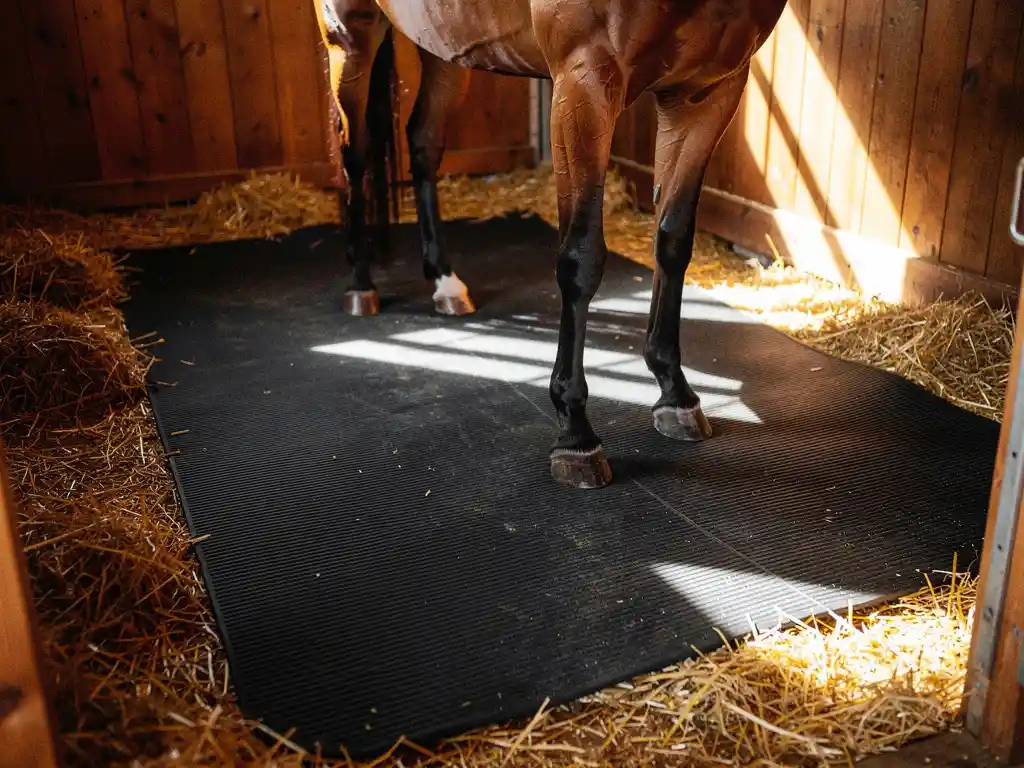
In equine facility design, flooring in stalls and aisleways plays a direct role in preventing injuries during turnout, grooming, and loading. Horses are particularly sensitive to footing, and a surface that shifts, compresses unevenly, or provides poor grip can cause stumbles, falls, and long-term musculoskeletal issues.
For veterinary facility design, flooring also affects handling safety. Animals that feel secure underfoot are calmer and easier to manage, which reduces the risk of injury to both the animal and the handler during examinations and procedures.
What type of flooring is safest for livestock and farm animals?
The safest flooring for livestock and farm animals combines traction, cushioning, drainage, and durability. Rubber matting, textured concrete, and compacted sand or clay are the most commonly used options, each with specific advantages depending on the species, the area of the facility, and the level of traffic the surface needs to handle.
Textured or grooved concrete provides a solid, cleanable base and works well in high-traffic areas when properly maintained. However, it offers little cushioning and can become slick when wet. Compacted sand or clay is comfortable and allows natural hoof wear, but it requires regular maintenance and is harder to keep hygienic.
Rubber flooring is widely regarded as one of the most effective solutions for animal housing because it addresses multiple problems at once. It provides grip to prevent slipping, cushioning to reduce joint stress, and a non-porous surface that resists moisture and is easy to clean. Many facilities use rubber mats as a top layer over concrete, combining the structural advantages of concrete with the comfort and safety benefits of rubber.
In stable design, rubber mats in stalls reduce the amount of bedding needed and help horses maintain a more natural posture while resting. In livestock facility design, rubber-topped alleys and feeding areas help reduce lameness rates and encourage animals to move more freely between feeding and resting zones.
How do rubber mats improve safety in animal housing?
Rubber mats improve safety in animal housing by providing a non-slip, cushioned surface that reduces the risk of falls and joint injuries. They are non-porous, so they do not absorb moisture or harbor bacteria the way porous materials can. Rubber mats also reduce fatigue for animals that stand for long periods, which supports better overall health and productivity.
One of the most practical benefits of rubber matting in animal housing is the reduction in lameness. Lameness is a widespread welfare concern in dairy and beef cattle, and research consistently points to flooring quality as a contributing factor. Softer, more forgiving surfaces reduce the concussive stress on hooves and lower limbs, helping animals stay mobile and comfortable.
Rubber mats also benefit the people working in these environments. Handlers, veterinarians, and farm staff spend long hours on their feet in conditions that are often wet and physically demanding. Anti-fatigue rubber flooring reduces the physical strain on workers and improves grip underfoot, making daily tasks safer and less exhausting.
From a hygiene standpoint, rubber mats are straightforward to clean. Because genuine rubber is non-porous, it does not retain moisture or organic matter the way concrete joints or porous materials can. A rinse and mild detergent are typically enough to keep the surface clean and hygienic, which matters a great deal in environments where disease control is a priority.
What other factors make an animal housing facility safe?
Beyond flooring, a safe animal housing facility depends on good ventilation, adequate lighting, proper drainage, appropriate stocking density, and well-designed handling areas. These elements work together to reduce stress, prevent injury, and make the facility manageable for the people responsible for animal care.
Ventilation is one of the most important structural considerations. A well-ventilated barn or stable keeps air fresh, reduces humidity, and limits the buildup of harmful gases. Natural ventilation through ridge vents, sidewall openings, and strategic building orientation is effective in many climates, while mechanical ventilation systems may be necessary in enclosed or high-density facilities.
Lighting affects both animal behavior and worker safety. Animals in poorly lit spaces are harder to observe and monitor, making it easier for injuries or illness to go unnoticed. Good lighting in handling areas also reduces the likelihood of handler accidents during feeding, health checks, or loading.
Drainage design is closely linked to flooring choice. Even the best rubber mat will underperform in a facility where water and waste pool on the surface. Sloped floors, channel drains, and well-maintained drainage systems keep surfaces drier and reduce the risk of hoof disease and bacterial contamination.
Stocking density matters because overcrowded animals experience more competition, more stress, and more opportunities for injury. Giving animals enough space to move, rest, and access feed and water without conflict is a foundational part of welfare-focused facility design.
Finally, handling areas deserve careful thought in both equine facility design and livestock facility design. Curved races, non-slip alleys, and well-positioned gates reduce the stress of moving animals through the facility and lower the risk of injury to both animals and handlers during routine management tasks.
At LRP Matting, we supply rubber matting specifically designed for agricultural and animal housing environments. Our livestock rubber mats are made from 100% recycled rubber, including options built with our proprietary Fiber Reinforced Rubber Compound (FRC®) for added strength and durability. Whether you are outfitting a dairy barn, a horse stable, or a mixed livestock facility, we can help you find a matting solution that fits your space and your animals’ needs.
Frequently Asked Questions
How do I know if my current animal housing facility needs a flooring upgrade?
Look for visible signs such as animals moving hesitantly, frequently slipping, or avoiding certain areas of the facility. Other warning signs include a rising rate of lameness in your herd or flock, persistent hoof disease, and flooring surfaces that are visibly cracked, pitted, or difficult to keep clean. If your concrete floors are smooth and worn rather than textured, or if you notice animals spending less time at feeders due to discomfort moving around, a flooring upgrade is likely overdue.
Can rubber mats be used on top of existing concrete floors, or does the concrete need to be replaced first?
In most cases, rubber mats can be installed directly over existing concrete without requiring a full replacement, which makes them a cost-effective upgrade for older facilities. The concrete surface should be structurally sound, reasonably level, and free of major cracks or pooling water before mats are laid down. If drainage is a problem, it is worth addressing that first, since mats placed over a poorly draining floor will still sit in standing water and underperform. A stable, clean concrete base combined with quality rubber matting is one of the most practical and durable flooring solutions available.
What is the best way to clean and maintain rubber mats in a livestock or equine facility?
Routine cleaning with a pressure washer or hose and a mild, animal-safe detergent is sufficient for most rubber mats in agricultural settings. Because genuine rubber is non-porous, organic matter and moisture do not penetrate the surface, making it far easier to sanitize than concrete joints or porous materials. For daily maintenance, removing manure and soiled bedding promptly helps extend the life of the mat and keeps ammonia levels lower in the facility. Periodically lifting and cleaning beneath the mats prevents moisture buildup between the rubber and the concrete base.
How does poor ventilation specifically affect animal health, and what are the first signs to watch for?
Poor ventilation allows ammonia, carbon dioxide, and hydrogen sulfide to accumulate, which directly irritates the respiratory tracts of animals and increases susceptibility to pneumonia and other respiratory diseases. In livestock, early warning signs include nasal discharge, coughing, labored breathing, and reduced feed intake. In horses, recurrent airway obstruction (sometimes called heaves) is strongly linked to poor stable ventilation and dusty bedding. If workers notice a strong ammonia smell upon entering the building, that is a reliable indicator that ventilation is insufficient and poses a health risk to both animals and staff.
What stocking density guidelines should I follow to avoid overcrowding in my facility?
Stocking density recommendations vary by species, age, and production system, but as a general principle, each animal should have enough space to stand, lie down, turn around, and access feed and water without competing aggressively with others. For dairy cattle, industry guidelines typically recommend a minimum of 7.5 to 8.5 square meters of lying space per cow in freestall systems, while beef cattle and sheep have their own species-specific standards. Consulting your local agricultural extension service or a livestock housing specialist is the most reliable way to confirm appropriate densities for your specific operation, since climate, breed, and management style all influence the right answer.
Are there specific rubber mat thicknesses or specifications that work better for different animals?
Yes, thickness and density matter significantly depending on the species and the area of the facility. For dairy and beef cattle, mats in the range of 17mm to 23mm are commonly recommended in high-traffic alleys and feeding areas to provide adequate cushioning and durability under heavy body weight. Thinner mats of around 12mm may be suitable for lower-traffic zones or smaller livestock such as sheep and goats. For equine stalls, thicker interlocking mats or solid-pour rubber systems are preferred to support the horse’s full weight during rest and reduce the amount of bedding required. Always check the manufacturer’s load-bearing and durability specifications against the specific demands of your facility.
What common mistakes do facility managers make when designing or upgrading animal housing for safety?
One of the most common mistakes is addressing flooring or ventilation in isolation rather than thinking about how all facility elements work together. For example, installing rubber mats without improving drainage means the mats will sit in pooled waste water, limiting their hygiene and safety benefits. Another frequent oversight is underestimating lighting needs in handling areas, which increases the risk of both animal and handler injury during routine tasks. Finally, many facility managers delay upgrades until a welfare or productivity problem becomes serious, when earlier, incremental improvements would have been far less costly and disruptive in the long run.
Related Articles
- How do high traffic areas affect floor performance?
- What makes a veterinary facility safer?
- How do you protect a performance horse's legs during stabling?
- How do you know when a horse trailer floor needs replacing?
- How do you maintain a safe surface in a professional athletic facility year-round?
- How do you reduce noise in a sports facility through flooring choice?
- How does stall flooring affect a horse's hooves long term?
- How do you cover an irregularly shaped horse stall floor?
- What is the best way to protect a warehouse floor during construction?
- How do you make a veterinary recovery stall safer for horses?