

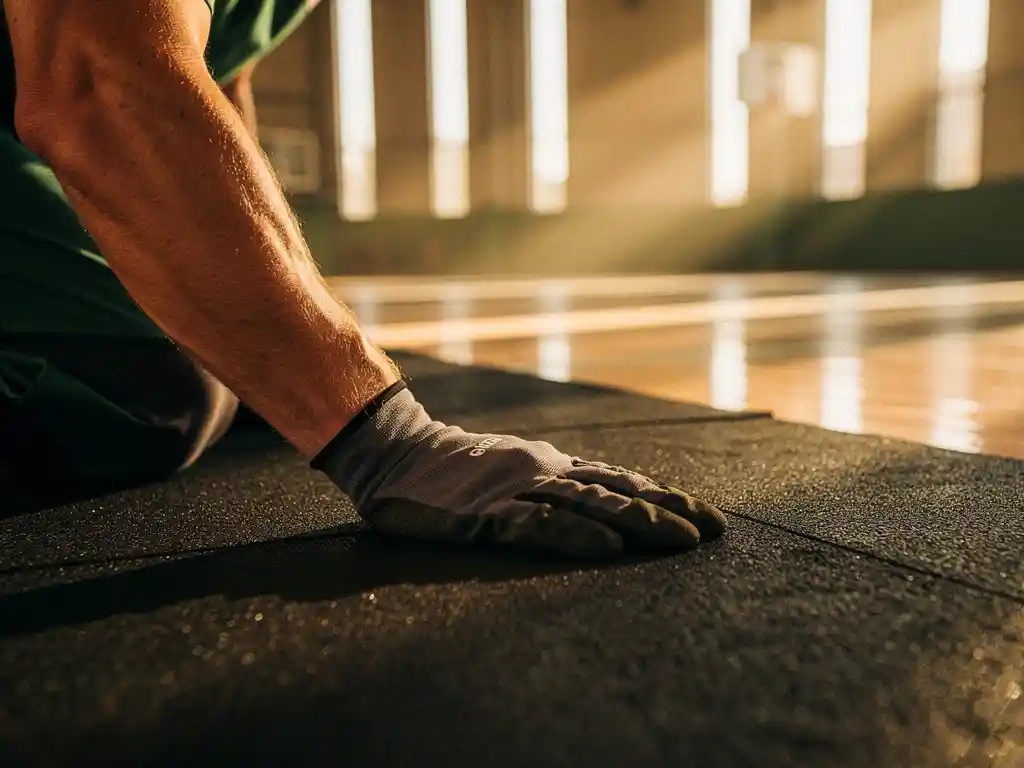
Sports facilities maintain safe surfaces year round by combining regular inspection schedules, appropriate cleaning routines, and surface-specific maintenance practices tailored to seasonal conditions. The biggest challenge is that different seasons bring different hazards: summer heat can degrade certain materials, while winter moisture and temperature swings increase slip risks. Below, we break down the most common questions sports facility managers ask about keeping athletic surfaces safe and functional throughout the year.
What types of surfaces are most common in sports facilities?
The most common surfaces in sports facilities include hardwood floors, synthetic turf, poured polyurethane, rubber flooring, vinyl, and concrete. Each surface is suited to specific sports and activity levels, and each comes with its own maintenance requirements. Understanding which surface you are working with is the first step toward keeping it safe and functional.
Hardwood is the traditional choice for basketball courts and multipurpose gymnasiums. It offers excellent performance but is sensitive to moisture and temperature changes. Synthetic turf is popular for indoor and outdoor field sports, offering durability and consistent playing conditions. Poured polyurethane and rubber flooring are common in weight rooms, fitness studios, and multipurpose athletic spaces because they absorb impact, reduce noise, and provide reliable traction. Vinyl and concrete are frequently found in locker rooms, corridors, and utility areas within sports venues.
Rubber flooring in particular has grown in popularity across recreational facilities because it handles heavy foot traffic, resists moisture, and is easy to clean. It also provides a level of cushioning that reduces fatigue and joint stress for athletes and staff who spend long hours on their feet.
What are the biggest safety risks from poorly maintained sports surfaces?
The biggest safety risks from poorly maintained sports surfaces are slip and fall injuries, uneven surfaces that cause trips or ankle injuries, and degraded traction that increases the chance of sudden-movement accidents. These risks are not theoretical. They affect athletes, coaches, and facility visitors every day in gyms and sports venues that skip routine maintenance.
Moisture is one of the most common culprits. Water tracked in from outdoors, sweat, or cleaning residue left on the floor creates slippery conditions quickly. On rubber and vinyl surfaces, cleaning products that leave a film can reduce grip significantly. On hardwood, excess moisture causes warping, which creates uneven spots that are easy to trip on.
Surface wear is another serious issue. Over time, protective coatings on hardwood and polyurethane floors wear down, reducing traction. Rubber mats with torn edges or curling corners become trip hazards. Synthetic turf that has lost infill material creates inconsistent playing conditions that can lead to unexpected slips or falls. Regular inspection catches these problems before they cause injuries.
How do sports facilities keep surfaces safe during winter and summer?
Sports facilities keep surfaces safe during winter by managing moisture and temperature-related expansion, and during summer by monitoring UV exposure, heat stress on materials, and increased foot traffic. Seasonal maintenance is not about doing completely different things in each season. It is about adjusting your regular routines to match the specific risks each season brings.
Winter surface maintenance
In winter, moisture is the primary threat. Wet shoes and boots track water and salt onto floors, which is damaging to hardwood and can leave slippery residue on rubber and vinyl. Placing high-absorbency entrance mats at all entry points reduces how much moisture reaches the main playing surfaces. Increasing the frequency of dry mopping or sweeping near entryways also helps. For rubber flooring, check that mats are lying flat and that edges have not lifted due to temperature-related contraction.
Summer surface maintenance
In summer, heat and UV exposure are the main concerns for outdoor and semi-outdoor facilities. Synthetic turf can become extremely hot in direct sunlight, which affects both player safety and material longevity. For indoor facilities, increased foot traffic during summer programs means floors need more frequent cleaning and inspection. Rubber flooring holds up well in heat but should be checked for any signs of softening or adhesive failure in areas where it is bonded to a subfloor.
How often should sports facility floors be inspected and replaced?
Sports facility floors should be inspected at least once a month for general wear, and more frequently in high-traffic zones or after major events. Replacement timelines vary by material: hardwood courts typically last 20 to 25 years with proper refinishing, rubber flooring can last 10 to 20 years depending on thickness and usage, and synthetic turf generally needs replacing every 8 to 12 years.
Monthly inspections should focus on surface integrity, traction, and any visible damage like cracks, tears, or lifting edges. After large events or tournaments, a quick walkthrough is worth doing before the next session begins. Annual professional assessments are a good investment for any facility that hosts competitive sports, as trained inspectors can identify subsurface issues that are not visible to the naked eye.
For rubber flooring specifically, pay attention to signs of compression set, which is when the material no longer springs back to its original thickness after repeated impact. A mat that has lost its cushioning is not just less comfortable. It is also less effective at protecting athletes from impact-related injuries.
What cleaning products and methods are safe for rubber sports flooring?
Safe cleaning products for rubber sports flooring are pH-neutral detergents diluted in water. Avoid harsh chemicals like bleach, ammonia-based cleaners, or solvent-based products, as these can break down the rubber over time, reduce surface traction, and cause discoloration. For routine cleaning, a damp mop with mild soap is effective and safe.
For daily maintenance, dry sweeping or vacuuming removes loose debris that can scratch the surface or create slip hazards. For deeper cleaning, a mop dampened with a neutral cleaner works well. Avoid soaking the surface or using steam cleaning on rubber mats that are not sealed, as excess moisture can work its way under the mat and create conditions for mold or mildew.
Disinfection is important in shared athletic spaces. Look for disinfectants that are specifically labeled as safe for rubber surfaces. Many standard gym disinfectants are formulated to be effective without damaging rubber, but always check the product label before applying it to a new surface. Rinsing after cleaning and allowing the surface to dry fully before use prevents residue buildup that reduces grip.
Should sports facilities use interlocking mats or full rolls of rubber flooring?
Whether to use interlocking mats or full rolls of rubber flooring depends on the size of the space, the type of activity, and how often the layout needs to change. Interlocking mats offer flexibility and are easy to install, move, or replace in sections. Full rolls provide a more seamless surface that is better suited to permanent installations in large areas.
Interlocking mats are a practical choice for multipurpose rooms where the floor configuration changes regularly, or for areas where budget constraints make full-floor coverage difficult upfront. They are also useful for covering specific zones, like weightlifting platforms or stretching areas, without committing to a full floor replacement. The trade-off is that seams between tiles can collect dirt and create minor unevenness over time.
Full rolls are better suited to large, permanent athletic spaces like weight rooms, fitness studios, or corridors in sports venues. Fewer seams mean easier cleaning, a more uniform surface, and a more professional appearance. We offer rubber flooring in some of the largest roll sizes available in the industry, which reduces the number of seams in any given installation and simplifies the overall process.
What rubber matting standards should sports facility managers look for?
Sports facility managers should look for rubber matting that meets relevant safety and performance standards, including adequate thickness for the intended activity, slip-resistance ratings appropriate for wet and dry conditions, and materials that are non-porous and easy to clean. For competitive or regulated sports environments, check whether the flooring meets any sport-specific guidelines set by governing bodies.
Thickness matters more than many people realize. A mat that is too thin provides little impact protection and wears down faster under heavy use. For weightlifting areas, a minimum thickness of around 8mm is generally recommended, while high-impact zones may benefit from thicker options. For general fitness and multipurpose use, 6mm to 8mm is a common and effective range.
Non-porous rubber is an important feature for sports facilities because it does not absorb sweat, water, or cleaning products. This makes it far more hygienic than porous alternatives and significantly easier to maintain. All of our rubber mats are made from genuine, non-porous rubber, which means they will not crack, peel, or crumble even under heavy use or temperature extremes.
At LRP Matting, we have been producing high-quality rubber flooring for sports and recreational facilities since 1971. Our mats are made from 100% recycled materials, and many are reinforced with our proprietary Fiber Reinforced Rubber Compound (FRC®) technology, which gives them extra strength and durability for demanding environments. If you are looking for reliable rubber flooring built to handle year-round athletic use, explore our sports and recreation matting options to find the right fit for your facility.
Frequently Asked Questions
How do I know when rubber flooring needs to be replaced rather than just repaired?
The clearest signs that rubber flooring needs full replacement rather than spot repair include widespread compression set (where the material no longer rebounds after impact), large areas of cracking or crumbling, persistent odor that does not respond to cleaning, and adhesive failure across significant sections of the floor. If damage is isolated to one or two tiles or a small section of a roll, targeted replacement of that section is usually sufficient. However, if more than 20–30% of the surface shows these signs, a full replacement is typically more cost-effective and safer in the long run than ongoing patchwork repairs.
What is the best way to get started with a seasonal maintenance plan for a sports facility?
Start by auditing every surface in your facility and documenting the material type, age, current condition, and usage level of each one. From there, build a maintenance calendar that assigns specific inspection and cleaning tasks to weekly, monthly, and seasonal intervals, with adjustments for your local climate. Many facility managers find it helpful to create a simple checklist for staff to complete after each shift and a more detailed inspection form for monthly walkthroughs. Having this documentation also becomes valuable if you ever need to demonstrate due diligence in the event of an injury claim.
Can rubber flooring be installed over existing concrete or hardwood without removing the old surface?
In most cases, yes — rubber flooring can be installed directly over concrete or hardwood, provided the existing surface is clean, dry, level, and structurally sound. Uneven subfloors should be addressed before installation, as high or low spots can cause the rubber to flex, lift at the edges, or wear unevenly over time. For permanent installations, a flooring adhesive designed for rubber is typically recommended to prevent shifting. For temporary or modular setups using interlocking tiles, the subfloor just needs to be flat and free of debris.
Are there specific rubber flooring options better suited for outdoor or semi-outdoor sports areas?
Yes — for outdoor or semi-outdoor environments, look for rubber flooring specifically rated for UV resistance and moisture exposure, as standard indoor rubber mats can degrade faster when exposed to sunlight and rain. Porous or perforated rubber tiles are sometimes used outdoors to allow water drainage, though non-porous options with proper drainage channels beneath them are generally more hygienic and durable. Thickness is also more important outdoors, where temperature swings can cause expansion and contraction; thicker mats tend to handle these stresses better without lifting or cracking at the edges.
How can facility managers reduce liability risks related to athletic surface conditions?
The most effective way to reduce liability is to create and consistently follow a documented maintenance and inspection program, keeping written records of every inspection, cleaning, repair, and replacement. Promptly addressing any identified hazard — even temporarily cordoning off a damaged area until it is fixed — demonstrates proactive duty of care. It is also worth reviewing your facility’s insurance requirements, as some policies have specific provisions around floor maintenance standards. Partnering with a reputable flooring supplier who can provide product specifications, safety ratings, and installation guidance adds another layer of documentation should questions ever arise.
What are the most common mistakes sports facility managers make when maintaining rubber flooring?
The most common mistakes are using the wrong cleaning products (particularly bleach or solvent-based cleaners that break down rubber over time), allowing moisture to sit under mats by skipping proper drying after wet cleaning, and neglecting seams between interlocking tiles where dirt and moisture accumulate. Another frequent oversight is ignoring early signs of compression set — assuming a mat that looks intact is still performing correctly, when in reality it has lost much of its impact-absorption capability. Establishing a routine that includes both visual checks and a simple press-test for cushioning can catch these issues early before they become safety or replacement problems.
How does rubber flooring thickness affect athlete performance and injury prevention?
Thickness directly influences how much impact energy the flooring absorbs before it reaches an athlete’s joints, making it one of the most important specifications to get right for the intended activity. Thinner mats (around 6mm) are suitable for light-duty fitness areas and multipurpose spaces with lower-impact activities, while weightlifting platforms, high-impact aerobic zones, and areas with heavy equipment typically benefit from 8mm or more. Beyond injury prevention, the right thickness also reduces fatigue for athletes and staff who spend extended time on their feet, which can improve both performance and long-term comfort in your facility.
Related Articles
- When should facility flooring be replaced instead of repaired?
- How do high traffic logistics environments affect floor performance?
- What should you consider when designing an animal facility?
- How do you prevent seasonal floor hazards?
- What is the best flooring for a horse stall?
- How do you protect a sports facility floor during the off-season?
- What are the hidden costs of poor horse stall flooring?
- How do you prevent cross-contamination through flooring in an animal clinic?
- How do you stop steel-tracked vehicles from damaging a concrete floor?
- How do you reduce re-injury risk in a horse recovery stall?