
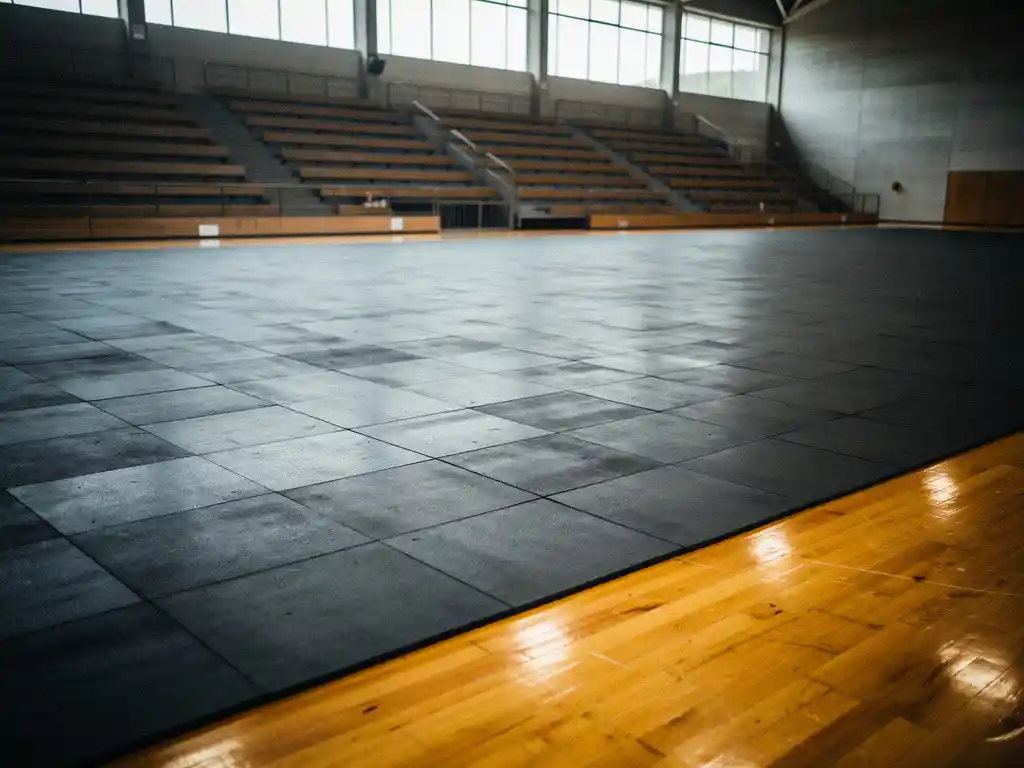
Protecting a sports facility floor during the off-season comes down to one thing: covering it before damage starts. Lay down high-quality rubber mats or protective flooring over your courts, tracks, or gym surfaces as soon as the active season ends. This keeps the floor safe from foot traffic, equipment, moisture, and temperature changes while it sits unused. The right protection now can save you from costly repairs—or even a full replacement—later.
Whether you manage a school gymnasium, a multi-sport arena, or a community recreation center, off-season floor care is one of the smartest investments you can make. Here is everything you need to know to do it right.
Why does a sports facility floor need off-season protection?
Sports facility flooring takes a beating during the active season, and the off-season is the window when you can either let that damage compound or stop it in its tracks. Without protection, floors are exposed to cleaning chemicals, moisture, heavy equipment, and foot traffic from non-sport uses such as events, storage, and renovations. That exposure adds up fast.
Hardwood gym floors are especially vulnerable. Wood expands and contracts with changes in humidity, and when it is left bare during periods of low use, it is more likely to warp, cup, or crack. Synthetic sports surfaces face their own risks, including surface degradation from UV exposure, scuffs from non-athletic footwear, and indentations from heavy loads. Protection during the off-season is not just about aesthetics; it directly affects how long your floor lasts and how much it costs to maintain over time.
What types of damage can an unprotected sports floor sustain?
An unprotected sports floor can sustain moisture damage, surface scratches, indentations from heavy loads, chemical staining, and structural warping. These issues range from cosmetic to structural, and some—such as wood warping or deep indentations—can render a floor unsafe for athletic use and require full replacement rather than repair.
Here is a closer look at the most common types of damage:
- Moisture and humidity damage: Wood floors absorb ambient moisture, leading to swelling, buckling, or separation between boards.
- Scratches and scuffs: Hard-soled shoes, equipment wheels, and furniture legs can leave marks that dull the finish and degrade the surface over time.
- Indentations: Staging equipment, bleachers, and heavy storage items can compress the floor surface, leaving permanent dents.
- Chemical damage: Cleaning agents that are too harsh for sports flooring can strip finishes and break down surface coatings.
- UV fading: Sunlight through windows or skylights can cause uneven fading on synthetic surfaces and hardwood finishes alike.
Many of these types of damage are invisible in the short term but become obvious—and expensive—by the time the next season rolls around. Prevention is far cheaper than repair.
What are the best floor protection options for sports facilities?
The best floor protection options for sports facilities include rubber floor mats, interlocking foam or rubber tiles, roll-out protective covers, and hardwood-specific floor covers designed for event use. The right choice depends on the type of flooring you are protecting, how long the off-season lasts, and what activities the space will be used for in the meantime.
Rubber mats and tiles
Rubber mats are one of the most practical and durable options available. They are non-porous, so they do not trap moisture against the floor surface. They absorb impact, resist heavy loads, and hold up well under foot traffic from non-athletic users. For large facilities, oversized mats reduce the number of seams and make installation faster and cleaner.
Roll-out floor covers
For facilities that host events over their sports surfaces, roll-out covers provide a temporary layer that protects the floor from chairs, tables, and general foot traffic. These are popular in multi-use arenas and gymnasiums that double as event venues during the off-season.
Hardwood-specific protective panels
Some manufacturers produce rigid protective panels designed specifically for hardwood gym floors. These interlock and create a stable walking surface on top of the wood, distributing weight evenly and preventing point-load damage from equipment or staging.
How do rubber mats protect a sports facility floor?
Rubber mats protect a sports facility floor by acting as a physical barrier between the floor surface and anything that could damage it. They absorb impact, distribute weight evenly to prevent indentations, resist moisture transfer, and provide a non-slip surface for off-season users. Their non-porous nature means they do not hold water against the floor underneath.
Beyond serving as a physical barrier, rubber mats add a layer of safety for anyone using the facility during the off-season. Workers setting up equipment, event staff, and maintenance crews all benefit from the grip and cushioning that rubber provides. This makes the space safer and reduces the risk of slips and falls on bare, potentially slippery sports surfaces.
For facilities with walls and fencing, impact protection does not stop at the floor. Wall-mounted rubber panels protect vertical surfaces from equipment carts, bleachers being moved into position, and general off-season activity that brings hard objects close to finished walls.
When should you lay down floor protection in a sports facility?
You should lay down floor protection in a sports facility as soon as the active season ends and before any off-season activity begins. Do not wait until the floor shows signs of wear. The goal is to protect the surface before the first non-athletic use, whether that is a concert, a graduation ceremony, or simply a maintenance crew walking through with equipment.
Timing matters because damage from a single event can be enough to require refinishing or repair. A floor that takes two hours to cover with protective matting could otherwise sustain scuffs, dents, or moisture damage in the same amount of time. If your facility runs back-to-back events during the off-season, keeping the protection in place continuously is far more practical than repeatedly removing and reinstalling it.
Plan your protection schedule at the start of each year so you have the right materials on hand before the season ends. Last-minute scrambling often leads to gaps in coverage or using the wrong type of protection for your specific floor.
What should you look for in a sports facility floor mat?
When choosing a floor mat for a sports facility, look for non-porous rubber construction, adequate thickness for impact absorption, a large-format size to minimize seams, and a surface texture that provides grip without scratching the floor underneath. Durability and ease of installation are equally important, especially in large facilities where coverage needs to happen quickly.
Here are the key features to evaluate:
- Material: Genuine rubber is non-porous and will not absorb moisture. Avoid foam options that can trap water against the floor surface.
- Thickness: Thicker mats offer better impact absorption and weight distribution. A half-inch thickness is a good benchmark for general protection.
- Size: Larger mats mean fewer seams. Seams are potential tripping hazards and points where moisture and debris can collect beneath the mat.
- Surface texture: Look for a grippy top surface and a smooth or lightly textured backing that will not scratch or mark the sports floor underneath.
- Weight capacity: If staging, bleachers, or heavy equipment will be placed on the mat, confirm that the mat can distribute that load without deforming.
- Customizability: Irregularly shaped facilities or courts with unique dimensions benefit from mats that can be cut to fit precisely.
Mats that meet all these criteria give you reliable protection without creating new problems, such as surface scratching from rough backing or moisture buildup under low-quality materials.
How do you maintain rubber floor mats between seasons?
Maintaining rubber floor mats between seasons is straightforward: clean them with mild detergent and water, inspect them for wear or damage, and store them flat or rolled in a dry, temperature-stable environment. Genuine rubber mats do not crack, peel, or crumble, which makes them low-maintenance compared to foam or vinyl alternatives.
After the off-season ends and you remove the mats from the facility floor, a quick inspection goes a long way. Check for any areas where the mat surface has been cut, gouged, or heavily compressed. Minor surface wear is normal and does not affect performance, but deeper damage can compromise the mat’s ability to distribute weight and protect the floor during the next off-season.
For cleaning, avoid harsh chemical solvents that can degrade rubber over time. Mild soap and water are all you need for most mats. Rinse thoroughly and allow the mats to dry completely before storing them. Rolling or folding damp mats traps moisture and can lead to mold or surface degradation over time.
When it comes to storage, keep mats away from direct sunlight and extreme temperatures. While quality rubber mats are designed to handle tough conditions, prolonged UV exposure during storage can cause surface fading and minor brittleness over many years.
If you are looking for sports facility flooring protection that is built to last, our custom rubber matting solutions are made to fit your exact space. We offer made-to-measure mats cut to any size or shape, so you get full coverage with minimal seams and a clean, professional finish every time. Our Multipurpose Sports Mats are available in sizes up to 6 by 16 feet and are designed specifically for high-traffic areas in stadiums and gym facilities. Get in touch with us, and we will help you find the right fit for your facility.
Frequently Asked Questions
Can I use the same rubber mats on both hardwood gym floors and synthetic sports surfaces?
Yes, high-quality rubber mats with a smooth or lightly textured backing are generally safe for both hardwood and synthetic sports surfaces, but always verify the backing material before laying them down. For hardwood floors specifically, confirm that the mat backing does not contain adhesives or coatings that could react with the wood finish. When in doubt, test a small, inconspicuous area first or consult the mat manufacturer to confirm compatibility with your specific floor type.
How do I handle moisture control under the mats if my facility has humidity issues?
If your facility is prone to high humidity, consider running a dehumidifier throughout the off-season even with mats in place, since rubber mats reduce but do not eliminate ambient moisture from affecting the floor beneath. Periodically lifting sections of matting to inspect the floor underneath is also a good practice, especially after heavy rain or during seasonal humidity spikes. For hardwood floors in particular, maintaining indoor humidity between 35% and 50% is the standard recommendation to prevent warping and board separation.
What is the best way to cover irregularly shaped courts or facilities that are not a standard rectangle?
The most effective solution for irregularly shaped spaces is to use custom-cut rubber mats that are made to match your floor’s exact dimensions, eliminating the gaps and overlapping seams that come with trying to piece together standard-sized mats. Many manufacturers, including specialty sports facility suppliers, offer made-to-measure matting that can be cut to any outline. This approach gives you full coverage with a clean, professional fit and reduces tripping hazards at edges and seams.
How much weight can rubber floor mats realistically support without damaging the sports floor underneath?
This depends on the mat’s thickness and density, but a quality half-inch or thicker rubber mat is designed to distribute point loads — such as those from staging legs, bleacher feet, or equipment wheels — across a wider surface area, significantly reducing pressure on the floor below. Always check the manufacturer’s stated weight capacity and, for extremely heavy loads like permanent bleacher systems or large staging rigs, consider adding rigid protective panels on top of the rubber mats for additional load distribution. Spreading the load over the largest possible footprint is the key principle.
Is it safe to leave rubber mats on a hardwood gym floor for an entire off-season without removing them?
Yes, non-porous rubber mats can safely remain on a hardwood floor for an extended off-season, provided the floor was clean and dry before the mats were laid down and the facility’s humidity is properly managed. The risk comes not from the mats themselves but from trapping pre-existing moisture or debris underneath them, so a thorough cleaning of the floor before installation is essential. Scheduling at least one mid-season check — lifting sections of matting to inspect for moisture or debris accumulation — is a smart precaution for very long off-seasons.
What common mistakes do facility managers make when setting up off-season floor protection?
The most common mistakes are waiting too long to install protection, using the wrong mat backing that scratches the floor surface, and leaving gaps or uncovered seams where moisture and debris can collect. Another frequent error is installing mats over a floor that has not been properly cleaned first, which traps grit and contaminants against the finish and can cause abrasion damage. Planning your protection schedule in advance, choosing mats specifically rated for sports floor use, and doing a thorough pre-installation cleaning will help you avoid all of these pitfalls.
How do I get started if I have never set up off-season floor protection before?
Start by auditing your facility: measure the total floor area you need to cover, identify any irregular shapes or obstacles, and note what activities the space will host during the off-season so you can match the mat’s weight capacity and durability to your actual use case. From there, request samples or consult directly with a matting supplier who specializes in sports facilities, as they can recommend the right material, thickness, and size configuration for your specific floor type and budget. Getting this right the first time is far more cost-effective than discovering mid-season that your chosen solution is inadequate.
Related Articles
- What factors influence animal comfort in housing facilities?
- How do you reduce stress through facility design?
- How do weather conditions affect outdoor sports surfaces?
- What should be included in a floor safety checklist?
- How do you identify floor safety hazards?
- How do you make a horse feel more comfortable during long trailer rides?
- How do you choose the right anti-fatigue mat thickness for a factory?
- How do you cover a large factory floor area with anti-fatigue matting?
- How do you maintain anti-fatigue mats in a food production environment?
- How do you stop horse stall mats from shifting?