
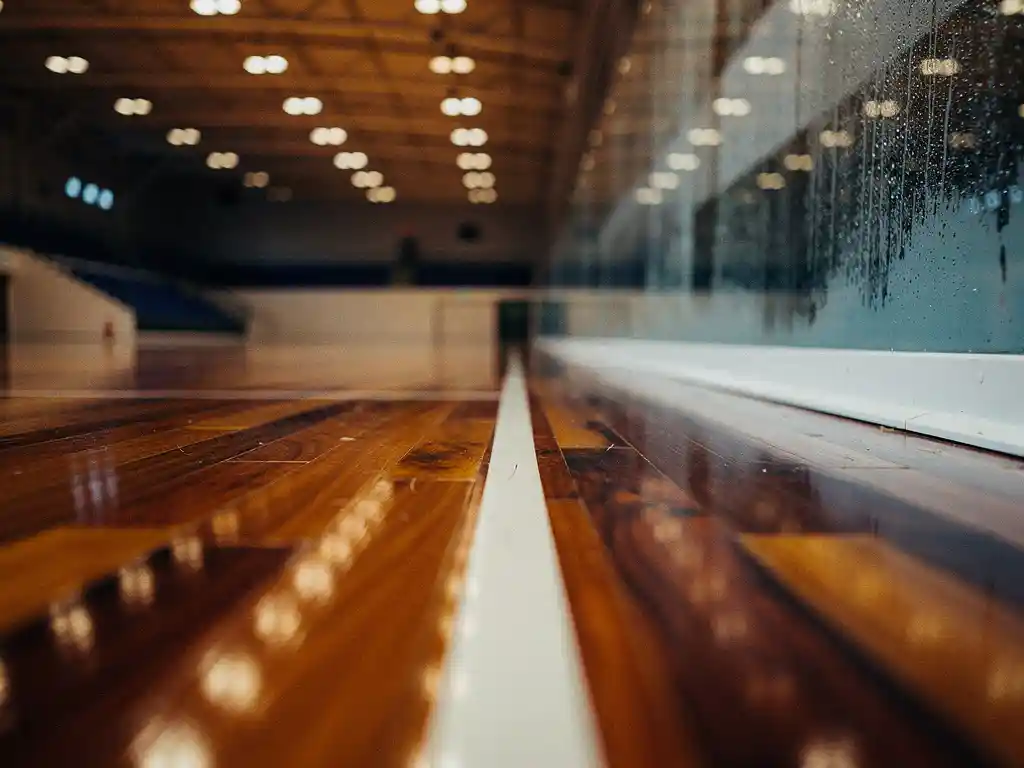
Protecting a sports facility floor from moisture and heavy use comes down to one practical solution: rubber matting. Rubber mats create a non-porous barrier between foot traffic, equipment, and the underlying floor, preventing moisture from seeping in and surface damage from building up over time. The right matting system also improves safety and comfort for athletes and visitors alike. Install mats in high-traffic zones, choose the correct thickness for your activity level, and maintain them with regular cleaning to keep both the mats and the floor beneath them in great shape.
Why is sports facility flooring so vulnerable to moisture and heavy use?
Sports facility flooring takes a beating from two directions at once: constant physical impact from athletes, equipment, and foot traffic, and persistent moisture from sweat, spills, cleaning routines, and outdoor weather tracked indoors. Together, these forces break down surface materials faster than in almost any other commercial environment, making protection a top priority for facility managers.
Most flooring materials, including concrete, wood, and composite surfaces, are porous to some degree. That means moisture can work its way into the surface over time, causing warping, cracking, mold growth, and structural weakening. Add repeated heavy impact from weights, footwear, and athletic equipment, and you accelerate that wear significantly. High-traffic areas like gym entrances, weight rooms, stadium corridors, and training zones are especially exposed because they combine both problems simultaneously.
The result is a floor that degrades faster than expected, costs more to repair or replace, and creates safety risks like slippery surfaces and uneven ground. Addressing both moisture and impact protection together, rather than separately, is the most effective approach to extending the life of sports facility flooring.
What types of flooring protection work best in sports facilities?
The most effective flooring protection options for sports facilities include rubber matting, interlocking foam tiles, vinyl flooring, and hardwood sports flooring. Among these, rubber matting consistently stands out for high-traffic and moisture-prone areas because it combines impact absorption, slip resistance, and a non-porous surface in a single, durable product.
Rubber matting
Rubber mats are the go-to choice for gyms, stadiums, training areas, and multipurpose sports halls. They handle heavy loads without compressing permanently, resist moisture without absorbing it, and provide reliable traction even when wet. Rubber is also one of the most durable materials available, maintaining its performance characteristics through years of heavy use without cracking or peeling.
Interlocking foam tiles
Foam tiles offer good cushioning and are easy to install, but they are less durable than rubber under heavy equipment or high-impact use. They also tend to trap moisture at the seams over time, which can lead to mold and odor issues in busy facilities.
Vinyl and hardwood sports flooring
Vinyl and hardwood surfaces work well for court sports and performance areas, but they require more maintenance and are more vulnerable to moisture damage without a protective layer on top. In high-traffic entry points and transition areas, pairing these surfaces with rubber mats significantly extends their lifespan.
How does rubber matting protect floors from moisture damage?
Rubber matting protects floors from moisture damage by acting as a non-porous barrier that prevents water, sweat, and cleaning liquids from reaching the underlying surface. Because genuine rubber does not absorb moisture, it prevents liquid from pooling on or penetrating the floor below, reducing the risk of warping, mold, and long-term structural damage.
This is one of rubber’s most practical advantages over other matting materials. Unlike foam or carpet-based options, rubber does not retain water after cleaning or wet weather. You can wipe it down or hose it off, and it dries quickly without holding moisture on its surface. That makes it far easier to maintain hygiene standards in a sports facility, where sweat and spills are a daily reality.
Rubber mats also create a physical buffer between the floor and the sources of wear. Equipment feet, athletic footwear, and heavy foot traffic all transfer force directly to the floor surface. A rubber mat absorbs and distributes that impact, reducing the concentrated stress that causes cracking and surface degradation over time. The combination of moisture resistance and impact absorption is what makes rubber matting so effective at preserving sports facility flooring over the long term.
What should you look for in rubber mats for high-traffic sports areas?
When choosing rubber mats for high-traffic sports areas, prioritize thickness, surface texture, size, and material quality. A mat that is too thin will compress under heavy use, while a poor surface texture will become slippery when wet. The right combination of these factors determines how well the mat performs and how long it lasts.
- Thickness: For multipurpose sports and gym environments, a half-inch thickness provides a solid balance of impact absorption and stability underfoot. Thinner mats work well for wall and fence protection, while heavier-use floor areas benefit from more substantial options.
- Surface texture: Look for a textured or grid-style surface that provides grip even when wet. This is especially important in areas where athletes move quickly or change direction frequently.
- Size and seam reduction: Fewer seams mean fewer gaps where moisture and debris can accumulate. Larger mats cover more area with a single piece, making installation cleaner and maintenance easier.
- Non-porous material: Make sure the mat is made from genuine rubber, not a rubber-blend composite that may absorb moisture over time. A truly non-porous mat will not crack, peel, or crumble under repeated exposure to water and heavy use.
- Customizability: Standard sizes do not always fit the unique layouts of sports facilities. A mat that can be cut or ordered to specific dimensions ensures full coverage without awkward gaps or overlaps.
For areas like stadium corridors and gym floors where large sections need coverage, look for mats that are available in generous dimensions. Multipurpose sports mats that go up to 6 feet by 16 feet, for example, cover a significant area with minimal seams, which simplifies both installation and ongoing maintenance.
How do you install rubber mats to maximize floor protection?
To maximize floor protection, install rubber mats so they cover the full footprint of high-traffic and high-impact zones, with minimal gaps between pieces. Start by cleaning the floor surface thoroughly before laying any mats, and plan your layout to reduce seams, especially in areas where moisture is likely to collect.
Begin by measuring the area accurately and mapping out your mat placement before you start. This helps you identify where seams will fall and whether you need custom-sized pieces to avoid leaving exposed sections of floor. In long corridors or large open areas, interlocking mats allow you to connect pieces securely without movement or separation over time.
For wall and fence protection in training areas, mounting mats vertically at impact zones keeps athletes safe and protects the facility structure. Mats designed for this purpose, like fence guard rolls, are built to mount easily and absorb high-speed contact without shifting out of position.
In areas where you need custom coverage, made-to-measure rubber mats cut to your exact dimensions eliminate the guesswork entirely. Fewer seams mean less opportunity for moisture to work its way through, and a precise fit looks cleaner and stays more stable under use. Always ensure the floor beneath is dry and level before installation to achieve the best long-term results.
How do you clean and maintain rubber mats in a sports facility?
Cleaning rubber mats in a sports facility is straightforward: sweep or vacuum regularly to remove loose debris, then mop or scrub with mild detergent and water. Because rubber is non-porous, it does not absorb dirt, bacteria, or moisture, which makes it one of the easiest flooring materials to keep hygienic in a busy sports environment.
For day-to-day maintenance, a quick sweep after each session prevents grit and debris from being ground into the mat surface. Weekly mopping with a mild cleaning solution keeps the surface fresh and removes sweat residue and surface bacteria. Avoid harsh chemical cleaners or solvents, as these can degrade the rubber over time, even if the mat appears unaffected initially.
For deeper cleaning, especially in high-use areas like weight rooms or stadium corridors, a scrub brush and warm, soapy water will handle most buildup effectively. Rubber mats dry quickly after washing, so downtime for cleaning is minimal, which matters in facilities that operate on tight schedules.
One of the long-term maintenance advantages of rubber is its resilience. Quality rubber mats will not crack, peel, or crumble under extreme temperatures or repeated cleaning cycles. Inspect mats periodically for signs of edge lifting or surface wear, and replace individual pieces as needed rather than the entire installation. This modular approach keeps maintenance costs manageable over the life of the matting system.
If you are ready to find the right matting solution for your sports facility, we at LRP Matting are here to help. From multipurpose sports mats and FenceGuard wall protection to custom-made rubber matting cut precisely to your facility’s dimensions, we offer practical, durable options for every area of your space. Get in touch with us for a personalized quote, and we will help you protect your floors the right way.
Frequently Asked Questions
How thick should rubber mats be for a weight room specifically?
For weight rooms, a thickness of at least three-quarters of an inch to one inch is recommended, especially in areas where free weights or heavy equipment are dropped or dragged. Thinner mats may compress permanently under repeated heavy loads, losing their cushioning and protective properties over time. If Olympic lifting or heavy deadlifts are common in your facility, consider stall mats or platform-grade rubber that is specifically rated for high-impact drops.
Can rubber mats be used on top of hardwood sports floors without causing damage?
Yes, rubber mats can be safely used on top of hardwood sports floors, and in fact they help protect the wood from scuffs, moisture, and impact damage in high-traffic transition zones. However, it is important to ensure the mats are made from non-staining rubber, as some lower-quality rubber compounds can leach pigments or chemicals that discolor or degrade hardwood finishes over time. Always confirm that the mat material is hardwood-safe before installation, and avoid leaving mats in place for extended periods without lifting them to allow the wood to breathe.
What is the best way to prevent rubber mats from sliding or shifting during use?
The most effective way to keep rubber mats in place is to start with a clean, dry, and level floor surface before installation, as dust and debris reduce friction and cause movement. For high-activity areas, double-sided carpet tape or rubber mat adhesive can be applied at the edges and seams to anchor mats securely without permanent installation. Interlocking mat systems are another reliable option, as the connected edges prevent individual pieces from shifting independently during dynamic movement or equipment use.
How often should rubber mats in a sports facility be replaced?
High-quality rubber mats in a well-maintained sports facility can last anywhere from 10 to 20 years, depending on usage intensity and how consistently they are cleaned and inspected. Signs that a mat needs replacing include visible cracking, permanent compression, surface peeling, persistent odor that does not resolve after cleaning, or edge lifting that creates a trip hazard. Because most rubber matting systems are modular, you can replace individual worn sections rather than the entire installation, which significantly reduces long-term replacement costs.
Are there specific areas in a sports facility where rubber matting is not recommended?
Rubber matting is not always the best fit for performance court surfaces such as basketball or volleyball courts, where the sport requires a specific level of ball bounce and athlete grip that rubber can interfere with. It is also less suitable for swimming pool decks or wet rooms unless the mat is specifically designed and rated for aquatic environments, as standard rubber mats may not provide adequate drainage in those conditions. For these specialized areas, consult with a flooring or matting specialist to identify a product engineered for those unique demands.
Can rubber mats help reduce noise and vibration in a sports facility?
Yes, rubber matting is an effective acoustic buffer that absorbs vibration and reduces impact noise transmitted through the floor, which is particularly valuable in multi-story facilities or buildings with noise-sensitive areas adjacent to training spaces. Thicker mats provide greater sound dampening, making them especially useful beneath treadmills, weight racks, and other vibrating equipment. This noise-reduction benefit is an often-overlooked advantage of rubber matting that adds value beyond just floor protection and safety.
What is the most common mistake facility managers make when installing rubber mats?
The most common mistake is underestimating coverage and leaving gaps or exposed floor sections in high-traffic transition zones, such as doorways, corridor junctions, and the areas directly around equipment. These uncovered spots are often where the most concentrated wear and moisture damage occurs, undermining the protection provided by the rest of the matting system. Planning your layout carefully before purchasing, and opting for custom-cut mats where standard sizes do not fit precisely, ensures complete coverage and maximizes the return on your matting investment.
Related Articles
- How do weather conditions affect outdoor sports surfaces?
- What areas of a facility have the highest slip risk?
- How do you perform a floor safety assessment?
- How do you protect a performance horse's legs during stabling?
- What flooring works best under heavy sports equipment?
- What flooring is best for a large animal veterinary examination room?
- How do you make a warehouse floor less slippery?
- What flooring do professional equestrian facilities use in their stalls?
- Can a hard barn floor cause tendon damage in horses?
- What flooring works best in an outdoor or covered sports venue?