

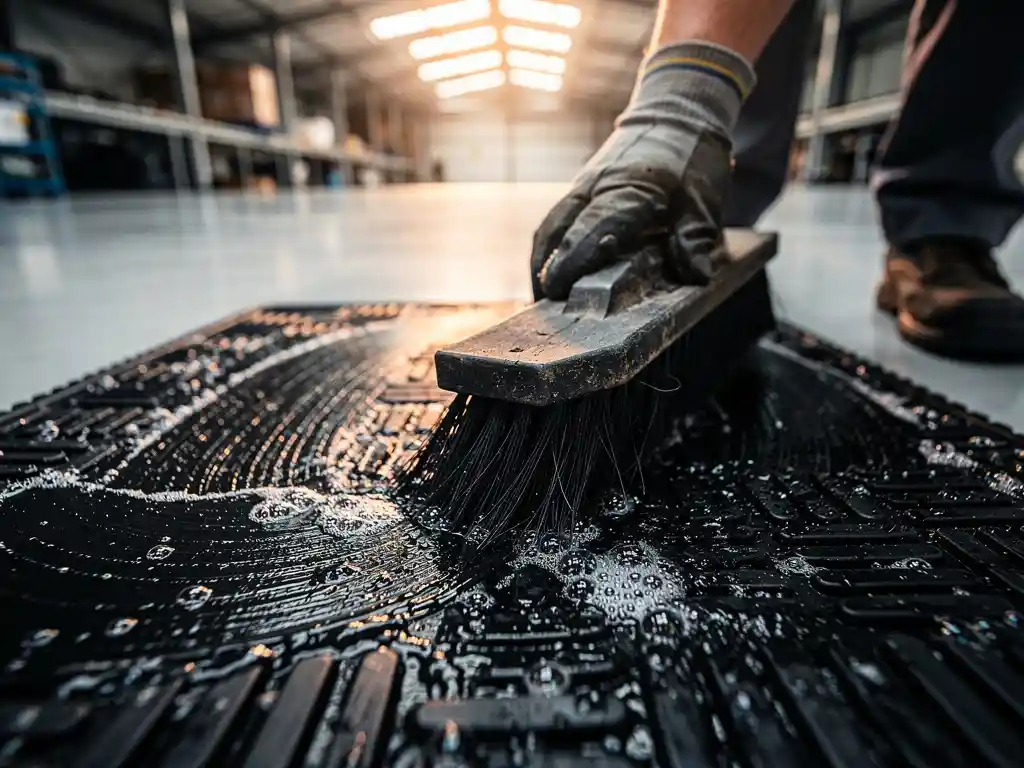
Preventive floor maintenance is a proactive approach to caring for floors before damage, wear, or safety hazards develop. Instead of waiting for a floor to crack, stain, or become a slip risk, you schedule regular inspections, cleaning, and protective measures to keep it in good condition over the long term. This approach is widely used in commercial and industrial facility management because it reduces repair costs and extends the lifespan of flooring investments. The questions below unpack how it works, what causes floor damage, and how to build a practical maintenance plan.
How does preventive floor maintenance actually work?
Preventive floor maintenance works by combining scheduled inspections, routine cleaning, and protective measures to address wear before it becomes damage. Rather than reacting to problems after they appear, facility managers follow a structured plan that monitors floor condition, removes harmful substances promptly, and applies protective materials or barriers in high-traffic zones. The goal is to stay ahead of deterioration.
In practice, this means setting a regular inspection schedule, identifying areas that receive the most foot traffic or equipment movement, and putting protective measures in place in those spots. Cleaning protocols are defined clearly so that spills, grit, and moisture are removed before they can work their way into the floor surface. Protective mats or coatings are placed where impact and friction are highest.
The result is a floor that degrades much more slowly than one that only receives attention when something goes visibly wrong. For facility maintenance teams, this also means fewer emergency repairs, less unplanned downtime, and a safer environment day to day.
What types of floors benefit most from preventive maintenance?
Almost every floor type benefits from preventive maintenance, but the floors that benefit most are those exposed to heavy use, moisture, chemicals, or equipment traffic. Concrete, epoxy-coated, vinyl, and hardwood floors in commercial and industrial settings tend to degrade fastest without proactive care, making them the strongest candidates for a structured maintenance plan.
Concrete floors in warehouses and manufacturing facilities are particularly vulnerable. They absorb oils and chemicals, develop surface cracks under repeated impact, and become slip hazards when wet. Without preventive care, these problems compound quickly.
Epoxy and resin floors in food processing or pharmaceutical environments face similar challenges. Cleaning chemicals, temperature swings, and heavy trolley traffic can cause delamination and surface wear if not managed consistently. Vinyl and rubber flooring in gyms, hospitals, or commercial spaces also benefit from preventive attention, particularly around seams and edges where moisture can penetrate.
What are the most common causes of floor damage in industrial settings?
The most common causes of floor damage in industrial settings are heavy equipment traffic, chemical exposure, moisture infiltration, and inadequate cleaning practices. These factors work individually and in combination to break down floor surfaces faster than normal wear would suggest.
- Heavy equipment and foot traffic: Forklifts, pallet jacks, and constant foot movement create friction, impact, and point pressure that wear down surface coatings and create cracks over time.
- Chemical spills: Oils, solvents, cleaning agents, and industrial fluids can penetrate porous surfaces, weaken adhesives, and cause discoloration or structural breakdown.
- Moisture and standing water: Water that sits on or seeps beneath floor surfaces promotes mold growth, weakens adhesive bonds, and causes swelling in materials like wood or laminate.
- Abrasive grit and debris: Dirt and small particles tracked in from outside act like sandpaper under foot traffic, gradually scratching and thinning protective coatings.
- Thermal expansion and contraction: Extreme temperature changes cause materials to expand and contract, leading to cracking, warping, or separation at joints.
Understanding which of these factors is most active in a given facility helps maintenance teams prioritize where to focus their preventive efforts.
How do rubber mats contribute to preventive floor maintenance?
Rubber mats contribute to preventive floor maintenance by acting as a physical barrier between the floor surface and the sources of damage. Placed in high-traffic areas, entry points, workstations, or anywhere heavy equipment operates, they absorb impact, trap grit and moisture, and reduce direct wear on the underlying floor.
Because rubber is non-porous, it does not absorb liquids or harbor bacteria, which makes it effective in environments where spills are frequent. Mats can be lifted, cleaned, and replaced independently of the floor beneath, which means the floor itself stays protected and in better condition for longer.
Beyond floor protection, rubber mats also reduce slip risks by providing grip in wet or oily conditions, and they offer ergonomic support in areas where workers stand for long periods. This makes them a practical addition to any preventive maintenance strategy, particularly in commercial and industrial spaces where both floor longevity and worker safety matter.
The right mat for a given area depends on the type of hazard present. Entry mats handle grit and moisture at doorways. Anti-fatigue mats protect both workers and floors at fixed workstations. Heavy-duty mats handle the impact of equipment in loading zones or production areas.
How often should floors be inspected as part of a maintenance plan?
As a general guideline, floors in commercial and industrial facilities should be visually inspected at least once a week, with more thorough inspections carried out monthly or quarterly depending on the intensity of use. High-traffic or high-risk areas may need daily checks, particularly where spills, chemical exposure, or heavy equipment are involved.
A visual inspection looks for surface damage, discoloration, wet patches, loose edges, or any area where the floor has started to lift or crack. These are early warning signs that can be addressed before they grow into larger problems.
Monthly inspections go deeper, checking for structural issues, adhesive failures, and wear patterns that suggest a particular area needs added protection. Quarterly or annual reviews are a good opportunity to assess the overall condition of the floor against its original state and plan any preventive treatments or replacements.
The frequency should also increase after unusual events, such as a large spill, a period of heavy machinery use, or an extreme weather event that may have introduced moisture. Documenting each inspection creates a useful record that helps identify trends and plan maintenance budgets more accurately.
What’s the difference between floor maintenance and floor restoration?
Floor maintenance is the ongoing care that keeps a floor in good condition, while floor restoration is the process of returning a damaged or heavily worn floor to an acceptable state. Maintenance is routine and preventive; restoration is reactive and typically more expensive and disruptive.
Preventive maintenance includes regular cleaning, protective treatments, mat placement, and inspections. It keeps the floor functioning well without requiring significant intervention. The costs are predictable and spread out over time.
Floor restoration, by contrast, involves repairing cracks, re-coating surfaces, replacing sections, or grinding and resealing floors that have deteriorated significantly. This kind of work often requires closing off areas of a facility, bringing in specialist contractors, and dealing with downtime that affects operations.
The practical takeaway is straightforward: consistent preventive maintenance delays or eliminates the need for restoration. A floor that is regularly inspected and protected will reach the end of its intended lifespan in much better condition than one that is neglected until restoration becomes unavoidable. For facility managers, this is one of the strongest arguments for investing in a structured maintenance plan rather than waiting for problems to appear.
At LRP Matting, we make rubber mats that are built to play a practical role in that kind of preventive strategy. Our mats are made from 100% recycled rubber, non-porous, and easy to clean, which means they protect your floors without adding complexity to your maintenance routine. If you are looking for durable matting that fits into a commercial or industrial setting, take a look at our commercial matting solutions to find the right fit for your space.
Frequently Asked Questions
How do I get started with a preventive floor maintenance plan if I have no system in place?
Start by conducting a full walkthrough of your facility to assess the current condition of all floor surfaces and identify the highest-risk zones, such as entry points, loading areas, and workstations. From there, define a simple inspection schedule, establish cleaning protocols for each floor type, and place protective matting in areas with the most traffic or spill exposure. You do not need a complex system from day one — a basic written checklist and a consistent routine will already put you well ahead of a purely reactive approach.
What should I look for when choosing the right rubber mat for a specific area of my facility?
Match the mat to the primary hazard in that zone: entry mats should focus on moisture and grit trapping, anti-fatigue mats should prioritize cushioning and grip for standing workers, and heavy-duty mats in loading or equipment zones should be thick enough to absorb impact without shifting. Also consider the mat’s drainage capability if liquids are present, its resistance to the specific chemicals used in that area, and how easy it is to lift and clean. Choosing the wrong mat type can leave your floor unprotected even when matting is in place.
Can preventive maintenance extend the lifespan of a floor that is already showing early signs of wear?
Yes — catching wear early is actually one of the most cost-effective points to intervene. Minor surface scratches, faded coatings, or small edge lifts can often be addressed with targeted treatments like resealing, patching, or adding protective matting before the damage spreads deeper into the floor structure. The key is acting on early warning signs rather than monitoring them and waiting. A floor showing early wear that receives consistent preventive care from that point forward will almost always outlast one where the same signs are ignored.
How do I calculate whether preventive maintenance is actually saving money compared to just repairing floors when needed?
Track three figures: the annual cost of your preventive maintenance activities (cleaning products, matting, inspection time, and minor treatments), the frequency and cost of repairs you still need, and the expected lifespan of your floor compared to industry averages for that floor type. If your repair frequency and floor replacement timeline are improving, the maintenance plan is working financially. Many facility managers also factor in avoided downtime costs, since reactive repairs often require closing sections of a facility, which can carry a much higher hidden cost than the repair itself.
Are there common mistakes facilities make when implementing a floor maintenance routine?
One of the most frequent mistakes is using the wrong cleaning products for the floor type — certain chemical cleaners can strip protective coatings from epoxy or vinyl floors, accelerating the very wear you are trying to prevent. Another common error is placing mats inconsistently, covering entry points but leaving high-traffic interior zones unprotected. Skipping documentation is also a problem; without inspection records, it is difficult to spot developing wear patterns or justify maintenance budgets. Finally, many facilities set an inspection schedule but fail to act promptly on what is found, which defeats the purpose of catching problems early.
How does temperature or climate control in a facility affect floor maintenance needs?
Facilities with significant temperature fluctuations — such as cold storage areas, spaces with large loading bay doors, or buildings with poor insulation — face accelerated floor degradation due to repeated thermal expansion and contraction. This makes joint integrity, crack monitoring, and the use of flexible sealants especially important in those environments. Humidity control also matters: high moisture levels can work beneath floor coatings and adhesives even without visible spills, so inspections in climate-variable areas should specifically look for bubbling, lifting edges, or discoloration that suggests subsurface moisture movement.
How should maintenance responsibilities be divided between in-house staff and specialist contractors?
Day-to-day tasks — routine cleaning, mat management, visual inspections, and minor spot treatments — are well-suited to in-house maintenance staff who know the facility and can respond quickly. Specialist contractors are better reserved for periodic deep cleaning, recoating or resealing surfaces, structural assessments, and any restoration work that requires specialist equipment or materials. A practical approach is to schedule contractor visits on a quarterly or annual basis aligned with your inspection findings, rather than calling them in reactively, which both reduces costs and ensures the work is done at the right stage of wear rather than after significant damage has already occurred.
Related Articles
- How does facility design affect animal welfare?
- What are the first signs a commercial floor needs maintenance?
- What role does flooring play in preventing musculoskeletal strain?
- What flooring improvements can increase workplace comfort?
- How can you improve traction on existing floors?
- What type of flooring holds up best in a high-traffic athletic venue?
- What do you put on a horse trailer ramp to prevent slipping?
- How do you protect a concrete floor from heavy machinery?
- What causes back pain in workers who stand on hard floors all day?
- How do you maintain anti-fatigue mats in a food production environment?