

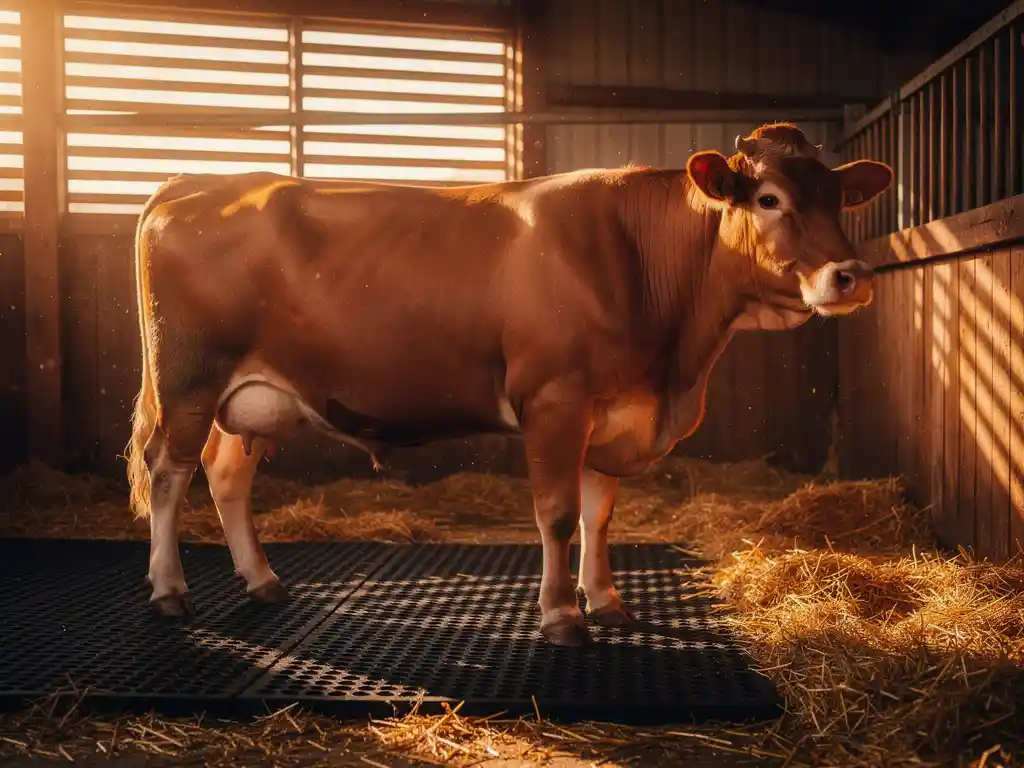
Facility design has a direct impact on animal welfare. The way a barn, stable, or livestock facility is laid out affects how animals move, rest, feed, and interact with their environment every single day. Poor design leads to stress, injury, and reduced productivity, while thoughtful design supports natural behavior and long-term health. Below, we answer the most common questions about facility design and animal welfare so you can make informed decisions for your animals and your operation.
What role does flooring play in livestock comfort and health?
Flooring is one of the most important factors in livestock comfort and health. Animals spend the majority of their lives standing, walking, and lying down on the floor of their facility. The surface they live on directly affects their joint health, hoof condition, body temperature regulation, and overall stress levels. A floor that is too hard, too slippery, or too cold creates chronic physical strain that compounds over time.
Hard, unyielding surfaces like bare concrete put continuous pressure on joints and hooves. For dairy cows, this can lead to lameness, which is one of the leading causes of early culling in dairy herds. For horses, prolonged exposure to hard flooring can contribute to joint inflammation and fatigue. Soft, cushioned flooring reduces that pressure and allows animals to rest comfortably, which directly supports recovery, milk production, and overall condition.
Traction is equally important. A slippery floor causes animals to brace constantly as they walk, which creates muscle tension and increases the risk of falls and injuries. Flooring with adequate grip allows natural, relaxed movement and reduces the physical effort animals expend just getting from one place to another.
How does barn layout affect animal movement and stress?
Barn layout affects animal movement and stress by either supporting or obstructing natural behavior. Animals that can move freely, access feed and water without competition, and navigate their environment without confusion or crowding experience significantly lower stress levels. Poor layout forces animals into unnatural patterns of movement and creates bottlenecks that trigger anxiety and aggression.
Cattle, for example, have a strong instinct to move in wide arcs and avoid tight corners. Alleyways that are too narrow, sharp turns near entry points, and poorly positioned gates all increase the chance of animals bunching up and becoming agitated. In equine facilities, horses are highly sensitive to their surroundings. Blind spots, confined spaces, and inadequate ventilation all contribute to behavioral stress that can affect training, handling, and overall temperament.
Lighting also plays a role. Facilities that transition abruptly from bright to dark areas can cause animals to hesitate and resist movement. Gradual, even lighting throughout a facility encourages calm, consistent flow and reduces the time handlers spend pushing animals from one area to another.
What are the key elements of an animal-friendly facility design?
The key elements of an animal-friendly facility design are adequate space, appropriate flooring, proper ventilation, good lighting, and efficient animal flow. Each of these elements supports a different aspect of animal health and behavior, and they work best when considered together rather than in isolation.
- Space per animal: Overcrowding increases competition for resources, raises stress hormones, and accelerates the spread of disease. Every species has recommended space allowances that should be treated as minimums, not targets.
- Flooring surface: Comfortable, non-slip flooring reduces injury risk and supports rest and natural movement.
- Ventilation: Poor air quality from ammonia buildup and humidity causes respiratory issues and heat stress. Good airflow keeps the environment healthy without creating cold drafts.
- Lighting: Natural or well-distributed artificial lighting supports circadian rhythms, reduces stress, and improves visibility for handlers.
- Water and feed access: Multiple access points reduce competition and ensure all animals in a group can eat and drink without being displaced by dominant animals.
- Separation areas: Dedicated spaces for sick, injured, or recently calved animals allow for proper care without disrupting the rest of the herd.
How does poor facility design contribute to animal injuries?
Poor facility design contributes to animal injuries by creating physical hazards, forcing unnatural movement, and generating chronic stress that weakens the body over time. The most common injury risks include slippery floors, sharp protrusions, inadequate space, and poorly designed entry and exit points.
Slippery flooring is the most frequently cited cause of falls in livestock facilities. When animals lose their footing, they can sustain serious injuries to their legs, hips, and joints. Even without a full fall, the constant muscle effort required to stay balanced on a slick surface leads to fatigue and soft tissue damage over time.
Sharp edges on gates, feed barriers, and structural elements cause lacerations and bruising. These injuries are often overlooked in routine inspections but accumulate into significant welfare concerns. Poorly designed handling systems, including chutes that are too narrow or squeeze too tightly, cause bruising, broken bones, and severe stress responses that affect meat quality in production animals.
Inadequate drainage is another underestimated hazard. Wet, dirty floors breed bacteria, soften hooves, and create conditions for hoof rot and other infections. Proper slope, drainage channels, and surface materials that do not retain moisture all reduce this risk considerably.
What’s the difference between rubber matting and concrete flooring for livestock?
The main difference between rubber matting and concrete flooring for livestock is comfort, traction, and long-term impact on animal health. Concrete is durable and easy to clean, but it is hard, cold, and slippery when wet. Rubber matting provides cushioning, better grip, and thermal insulation, which reduces physical strain on animals and supports their well-being over time.
On bare concrete, animals bear the full weight of their body on a surface that offers no give. This increases pressure on hooves and joints, particularly during long periods of standing. Over months and years, this contributes to lameness, joint wear, and reduced willingness to move. Adding rubber matting over concrete changes the equation significantly. The surface absorbs impact, reduces pressure points, and allows animals to shift their weight and rest more naturally.
Traction is another meaningful difference. Concrete becomes very slippery when wet, which is a constant condition in most livestock facilities. Rubber matting with a textured surface maintains grip in wet conditions, reducing the risk of slips and falls. This matters not just for the animals but also for the handlers working in the same space.
From a practical standpoint, rubber matting also reduces the amount of bedding needed, since animals are more comfortable on a cushioned surface even without deep litter. This can reduce material costs and labor over time while maintaining or improving animal comfort.
How can facility upgrades improve both animal welfare and farm productivity?
Facility upgrades improve animal welfare and farm productivity at the same time because animal health and output are directly connected. When animals are comfortable, less stressed, and free from chronic pain, they eat better, rest more effectively, and perform closer to their genetic potential. Improvements to flooring, ventilation, layout, and water access all translate into measurable outcomes.
In dairy operations, reducing lameness through better flooring and handling design consistently leads to higher milk yields and longer productive lifespans per cow. Lame cows eat less, produce less, and are more likely to be culled early. Addressing the root cause through facility design is more cost-effective than managing the consequences through veterinary intervention.
In equine facilities, a well-designed stable reduces behavioral problems, supports training outcomes, and lowers the risk of injuries that take horses out of work. Good stable design also makes daily management faster and less labor-intensive, which matters for both professional operations and private owners.
Practical upgrades do not always require a full facility rebuild. Targeted improvements, like adding rubber matting to high-traffic areas, improving drainage, widening alleyways, or installing better lighting, can make a significant difference without major construction. Starting with the areas where animals spend the most time, such as stalls, feeding areas, and milking parlors, delivers the fastest return on investment.
At LRP Matting, we offer rubber matting solutions designed specifically for livestock and equine environments. Our mats are made from 100% recycled rubber and many are reinforced with our proprietary FRC® material for added strength and durability. If you are looking at flooring as a starting point for improving your facility, our livestock rubber matting range covers a wide variety of applications, from individual stalls to large-scale barn flooring.
Frequently Asked Questions
How do I know if my current facility design is negatively affecting my animals?
Watch for behavioral and physical signs such as increased aggression at feeding time, reluctance to move through alleyways, frequent slipping, rising lameness rates, or animals bunching near exits. These are reliable indicators that your layout, flooring, or space allocation may be working against your animals’ natural behavior. A formal facility audit, either self-conducted using species-specific welfare guidelines or carried out by a veterinarian or livestock consultant, can help you identify problem areas systematically before they escalate into serious welfare or productivity issues.
What is the best way to prioritize facility upgrades when working with a limited budget?
Start with the areas where animals spend the most time and where welfare risks are highest — typically stalls, feeding areas, and high-traffic alleyways. Flooring improvements, such as adding rubber matting to concrete surfaces, tend to deliver fast, measurable returns because they directly reduce lameness, improve rest quality, and lower bedding costs. Drainage improvements and lighting upgrades are also relatively low-cost interventions that can have a significant impact on both animal health and daily management efficiency.
How much space per animal is actually required, and where can I find species-specific guidelines?
Space requirements vary significantly by species, breed, age, and production system, so there is no single universal figure. For dairy cattle, beef cattle, horses, and pigs, well-established guidelines are published by organizations such as the Farm Animal Welfare Council (FAWC), the American Association of Equine Practitioners (AAEP), and various national agricultural extension services. These figures should be treated as minimums — providing additional space above the recommended threshold consistently reduces competition, stress, and disease transmission, particularly in group-housed animals.
Can rubber matting be used in outdoor or partially covered areas, or is it only suitable for indoor use?
High-quality rubber matting designed for livestock and equine environments is typically suitable for both indoor and outdoor use, provided you select a product rated for outdoor exposure. Look for mats made from durable, UV-resistant recycled rubber that can handle weather variation, mud, and heavy hoof traffic without degrading. In outdoor or semi-covered areas such as sacrifice paddocks, wash bays, and entry points, rubber matting also helps manage mud and reduces hoof damage caused by prolonged exposure to wet ground.
How does ventilation design specifically affect animal health, and what should I look for in a well-ventilated barn?
Poor ventilation allows ammonia from urine and manure to accumulate, which directly irritates the respiratory tract and increases the risk of pneumonia, particularly in young or immunocompromised animals. A well-ventilated barn achieves consistent air exchange without creating cold drafts at animal level — ridge vents, adjustable sidewall openings, and natural cross-ventilation are commonly used design strategies. As a practical check, if you can smell strong ammonia when you enter the barn, air quality is already at a level that is harmful to animals living in that environment continuously.
Are there common design mistakes that even well-intentioned facility owners tend to make?
One of the most common mistakes is designing facilities primarily around human convenience rather than animal behavior — for example, placing gates, corners, and chutes in configurations that make logical sense to a person but conflict with how animals naturally move and perceive their environment. Another frequent oversight is underestimating drainage requirements, which leads to persistently wet floors that cause hoof disease and increase slip risk. Finally, many facilities are built without dedicated isolation or sick pens, which makes it significantly harder to manage health events without disrupting the rest of the herd.
How long does rubber matting typically last in a high-traffic livestock environment, and how should it be maintained?
Premium rubber matting made from recycled rubber and reinforced with durable materials can last 10 years or more in high-traffic livestock environments when properly installed and maintained. Regular maintenance is straightforward — sweep or scrape away manure and debris daily, and periodically wash the surface with water and a mild disinfectant to prevent bacterial buildup beneath the mat. Checking for mat shifting, curling edges, or surface wear every few months helps you address minor issues before they become safety hazards for your animals.
Related Articles
- How do facility layouts affect animal movement?
- What affects the lifespan of sports flooring?
- What causes a floor surface to become slippery over time?
- How does dirt affect slip resistance?
- How do you clean and maintain a horse trailer floor?
- What flooring is best for a large animal veterinary examination room?
- What is the best way to cover an uneven barn floor?
- What is the safest floor surface for a food processing facility?
- How do anti-fatigue mats reduce workplace injury claims?
- How do you stop horse stall mats from shifting?