
The lifespan of sports flooring depends on a combination of material choice, installation quality, maintenance habits, and environmental conditions. Most sports floors last anywhere from 5 to 25 years, depending on how well these factors are managed. Get one of them wrong and you can cut that lifespan significantly. Below, we break down each factor so you know exactly what to watch for in your athletic facility.
What types of materials last longest in sports flooring?
Rubber and hardwood consistently rank among the longest-lasting materials in sports flooring. Rubber is particularly durable in high-impact recreational facilities because it resists moisture, handles heavy loads without deforming, and does not crack or peel under temperature swings. Hardwood performs well in controlled indoor environments like basketball courts but is more vulnerable to humidity changes.
Vinyl and foam-based flooring options tend to have shorter lifespans. They are lighter and more affordable upfront, but they wear down faster under repeated foot traffic and are more prone to surface damage. For sports venue maintenance over the long term, material selection is one of the most important decisions you will make.
Rubber flooring made from fiber-reinforced compounds offers an added advantage: the internal reinforcement gives the material structural strength that standard rubber lacks. This makes it a practical choice for gyms, fitness areas, and multi-use recreational facilities where the floor takes a beating every day.
How does foot traffic and load intensity shorten floor life?
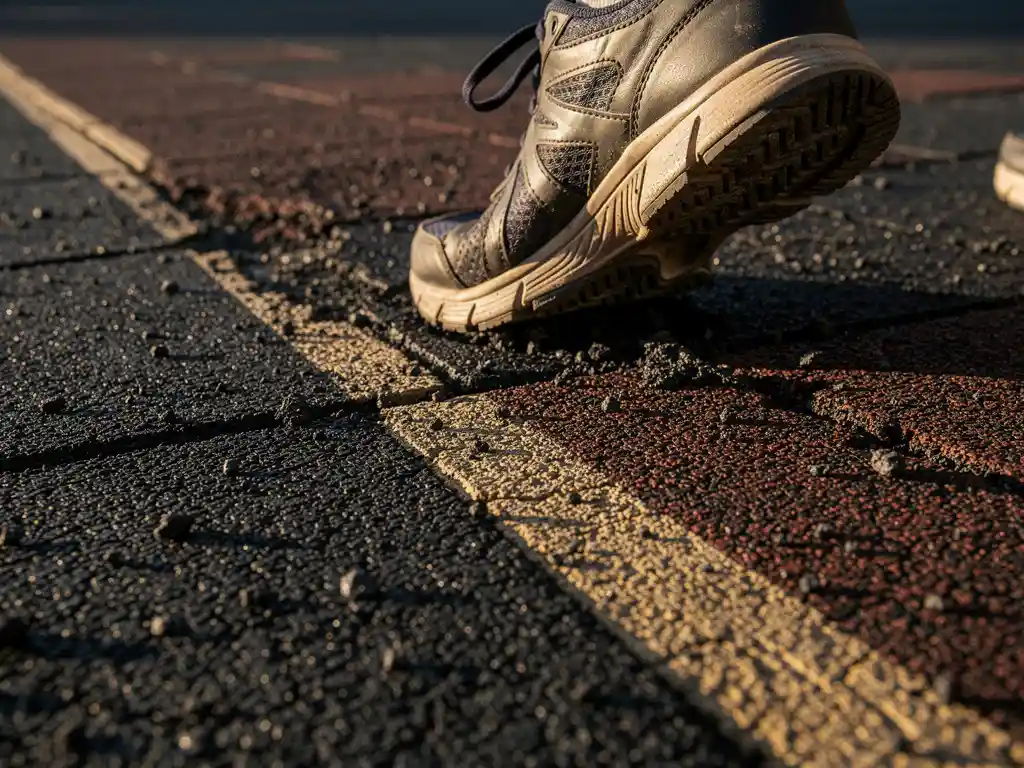
High foot traffic and heavy equipment loads accelerate surface wear, compress the flooring material over time, and create stress points that eventually lead to cracking, peeling, or delamination. The more intense and frequent the use, the faster these effects appear. In athletic facilities with daily training sessions or competitive events, floors can deteriorate noticeably within just a few years if the material is not rated for that level of use.
Concentrated loads are particularly damaging. Heavy gym equipment like weight racks or squat cages exerts constant pressure on a small area, which compresses or indents softer flooring materials permanently. Wheeled loads, such as equipment carts, can also gouge or scuff surfaces that were not designed for that type of contact.
Matching your flooring material to your actual usage pattern is the most effective way to manage this. A floor rated for light recreational use will not hold up in a facility running multiple training sessions per day with heavy equipment. Always check the load rating and intended use case before specifying a floor for your sports facility.
Does installation quality affect how long sports flooring lasts?
Yes, installation quality has a direct and significant impact on how long sports flooring lasts. A floor installed incorrectly can start showing problems within months, even if the material itself is high quality. Poor subfloor preparation, uneven surfaces, inadequate adhesive coverage, or improper seam alignment all create weak points where wear and damage begin.
Subfloor condition is one of the most overlooked factors in sports facility management. If the subfloor is uneven, damp, or structurally compromised, no amount of quality material on top will compensate. Moisture trapped beneath the floor is especially damaging because it promotes mold growth and causes adhesive failure over time.
Seam placement also matters. Floors with more seams have more potential failure points. This is one reason why larger format flooring options are worth considering: fewer seams mean fewer places for edges to lift, moisture to enter, or wear to concentrate. Getting the installation right from day one protects your investment for years to come.
What maintenance habits extend the life of sports flooring?
Regular cleaning, prompt attention to damage, and using the right cleaning products are the three maintenance habits that most reliably extend the life of sports flooring. Dirt and grit act like sandpaper underfoot, gradually scratching and wearing down surface finishes. Cleaning floors regularly removes this abrasive debris before it causes permanent damage.
Avoid harsh chemical cleaners. Many industrial-strength products strip protective coatings or degrade rubber and vinyl materials over time. Mild detergent and water are usually the right approach for most sports flooring surfaces, including rubber. Always check the manufacturer’s recommendations before using any cleaning product.
Addressing damage early is equally important. A small tear, lifted edge, or cracked section that gets ignored will grow into a much larger and more expensive problem. Building a routine inspection into your sports venue maintenance schedule, even a quick monthly walkthrough, helps you catch issues before they escalate. Protective mats or furniture pads under heavy equipment also reduce concentrated wear in high-pressure zones.
How do temperature and moisture damage sports flooring over time?
Temperature fluctuations cause flooring materials to expand and contract repeatedly, which stresses seams, adhesive bonds, and the material itself. Over time, this cycling effect leads to warping, cracking, and edge lifting. Moisture is equally damaging: it softens adhesives, promotes mold growth underneath the floor, and causes wood-based materials to swell or buckle.
Indoor athletic facilities with poor climate control are especially vulnerable. Gyms that get very cold overnight and warm up quickly during the day put constant thermal stress on the flooring. Facilities near water, in humid climates, or with inadequate ventilation face persistent moisture exposure that shortens floor life significantly.
Rubber flooring has a natural advantage here. It is non-porous, so it does not absorb moisture, and it handles temperature variation without cracking or peeling. For recreational facilities in climates with significant seasonal swings, this makes rubber a more resilient long-term option than wood or vinyl alternatives.
When should sports flooring be replaced rather than repaired?
Sports flooring should be replaced rather than repaired when damage is widespread, structural integrity is compromised, or repeated repairs are no longer cost-effective. Spot repairs work well for isolated issues like a small lifted edge or a localized scuff. But when damage covers a large portion of the floor, or when the same areas keep failing after repair, replacement becomes the more practical and economical choice.
Safety is the clearest signal that replacement is needed. Uneven surfaces, persistent lifting edges, or sections that have become slippery or unstable create real injury risks for athletes and facility users. No repair is worth maintaining a floor that puts people at risk.
Age is another factor. Even well-maintained floors reach the end of their functional life. If your flooring is approaching or past the typical lifespan for its material type, and you are investing increasing time and money into upkeep, that is a strong sign it is time to plan for replacement rather than continue patching. A new floor installed correctly with the right material will always outperform an aging one held together by ongoing repairs.
At LRP Matting, we work with sports facilities, gyms, and recreational centers to find flooring that is built to last. Our rubber mats are made from 100% recycled materials, including fiber-reinforced rubber compound (FRC®), and are designed to handle the demands of real athletic environments without constant maintenance headaches. If you are evaluating your options for durable, low-maintenance sports flooring, explore our sports and recreation matting range to see what we offer.
Frequently Asked Questions
How do I know which sports flooring material is right for my specific facility?
Start by mapping out your actual usage: how many sessions run per day, what equipment is used, and whether the space is climate-controlled. From there, match those demands to a material’s load rating, moisture resistance, and durability specs. For multi-use facilities with heavy equipment and variable conditions, fiber-reinforced rubber is typically the most versatile and long-lasting option. When in doubt, consult with a flooring specialist who can assess your subfloor condition and usage patterns before you commit.
Can I install sports flooring over an existing floor to save time and cost?
In some cases, yes — but only if the existing floor is structurally sound, level, dry, and free of damage. Installing new flooring over a compromised surface transfers those problems upward, leading to premature failure regardless of how good the new material is. Always have the subfloor professionally assessed before deciding to overlay rather than replace. If there is any moisture, unevenness, or adhesive residue from the old floor, it is almost always worth addressing those issues first.
What are the most common mistakes facility managers make that shorten sports floor lifespan?
The three most common mistakes are using the wrong cleaning products, ignoring minor damage until it spreads, and failing to use protective pads or mats under heavy equipment. Harsh chemical cleaners are a particularly frequent culprit — they degrade surface coatings and materials gradually, so the damage is not obvious until it is already significant. Building a simple monthly inspection routine and keeping a log of any damage found goes a long way toward catching problems early and avoiding costly repairs or premature replacement.
How often should sports flooring be professionally inspected or serviced?
For high-use facilities running daily training or competitive events, a professional inspection once a year is a reasonable baseline, in addition to your own routine monthly walkthroughs. Lower-traffic recreational spaces may be fine with an inspection every two years. Professional inspections are particularly valuable for checking subfloor integrity, seam condition, and adhesive bond strength — things that are not always visible during a casual walkthrough but can signal deeper problems if caught early.
Does rubber sports flooring require any special maintenance compared to hardwood or vinyl?
Rubber flooring is actually one of the lower-maintenance options available. It does not need refinishing, recoating, or humidity control the way hardwood does, and it is less prone to surface scratching than vinyl. Routine sweeping and occasional mopping with a mild, pH-neutral cleaner is typically all that is needed. The main thing to avoid is using solvent-based or oil-based cleaners, which can degrade the rubber compound over time and reduce the floor’s grip and structural integrity.
What is the best way to handle a sports floor that has moisture damage underneath it?
Moisture damage beneath a floor needs to be fully resolved before any repair or replacement work begins — otherwise the new floor will face the same problem. This means identifying and fixing the moisture source first, whether that is a plumbing leak, condensation from poor ventilation, or ground moisture seeping through a concrete slab. Once the source is addressed, the subfloor may need to dry out, be treated for mold, or be structurally repaired before new flooring is installed. Skipping this step is one of the most expensive mistakes a facility can make.
Is there a way to extend the life of aging sports flooring before a full replacement becomes necessary?
Yes — strategic spot repairs, deep cleaning, and adding protective matting in the highest-wear zones can meaningfully extend a floor’s useful life if the underlying structure is still sound. Recoating hardwood surfaces or applying a fresh sealant layer on rubber or vinyl can also restore some surface protection. However, these measures are best treated as a bridge strategy while planning and budgeting for replacement, not a permanent solution. If the same areas keep failing after repair or safety is becoming a concern, replacement is the more cost-effective path in the long run.
Related Articles
- How do high traffic areas affect floor performance?
- What factors increase floor wear in manufacturing environments?
- What should be included in a floor safety checklist?
- What are the most common causes of slip and fall accidents?
- Why do wet floors become dangerous?
- How do you choose flooring for a professional sports locker room?
- How do large boarding facilities manage bedding costs across many stalls?
- How do you keep a horse stall dry without using excessive bedding?
- How do you stop steel-tracked vehicles from damaging a concrete floor?
- How do anti-fatigue mats reduce workplace injury claims?