
Chemicals damage floor durability by breaking down the surface material through chemical reactions, absorption, or physical degradation over time. The extent of the damage depends on the type of chemical, how often it contacts the floor, and what the flooring material is made of. Some floors show visible damage within weeks, while others degrade slowly and silently. Below, we answer the most common questions about chemicals and floor durability so you can make smarter choices for your space.
What types of chemicals cause the most damage to flooring?
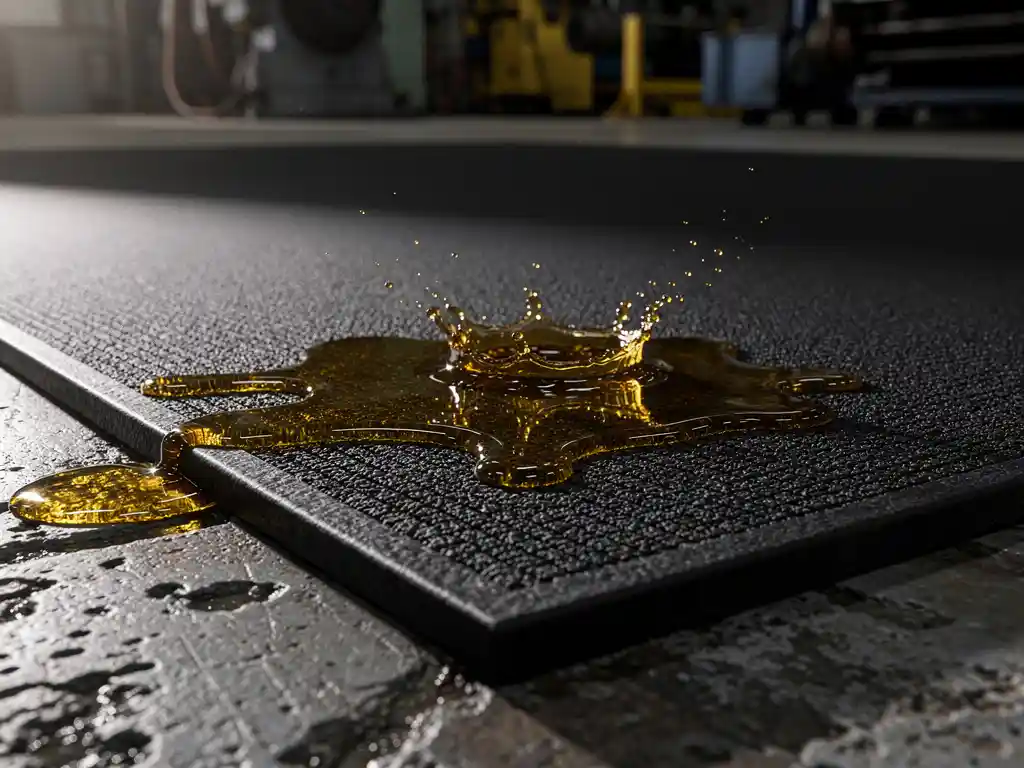
The chemicals that cause the most damage to flooring are strong acids, alkalis, solvents, and oils. Acids like hydrochloric and sulfuric acid eat into concrete and certain coatings. Alkalis such as bleach and ammonia break down adhesives and surface finishes. Solvents dissolve protective layers, while oils and greases penetrate porous surfaces and weaken their structural integrity over time.
Different chemicals attack flooring in different ways. Acids tend to corrode and pit surfaces, which is a particular problem for uncoated concrete floors. Alkalis are often underestimated because they work more slowly, but repeated exposure to cleaning agents with high pH levels can significantly degrade floor coatings and adhesives. Solvents are especially damaging to synthetic flooring materials and adhesive-backed tiles, since they dissolve the compounds that hold the material together. Oils and lubricants, common in manufacturing and automotive environments, seep into porous flooring and create a base layer of contamination that is difficult to remove and accelerates wear.
How does chemical exposure break down flooring over time?
Chemical exposure breaks down flooring through three main mechanisms: surface erosion, material absorption, and adhesive failure. Surface erosion removes protective coatings and weakens the top layer. Absorption causes porous materials to swell, crack, or become structurally compromised. Adhesive failure leads to tiles, coatings, or layers separating from the subfloor, which accelerates further damage.
The process is often gradual. In the early stages, a floor may simply look dull or discolored. Over time, micro-cracks form in the surface, which gives chemicals a deeper entry point. Once a chemical penetrates below the surface layer, the damage accelerates quickly because the material can no longer protect itself. In industrial settings where chemical spills happen regularly, this cycle can dramatically reduce the functional lifespan of a floor compared to environments with minimal chemical contact.
Temperature also plays a role. Warm chemicals tend to react faster and penetrate more deeply than cold ones, which means heated industrial processes can increase the rate of floor wear even when the same chemicals are involved.
Which flooring materials hold up best against chemical exposure?
The flooring materials that hold up best against chemical exposure are rubber, epoxy-coated concrete, and certain vinyl composites. Each offers a different level of resistance depending on the specific chemicals involved. Rubber and epoxy are generally the strongest performers in industrial settings, while vinyl offers a practical mid-range option for commercial environments with lighter chemical contact.
Epoxy-coated concrete
Epoxy coatings create a hard, non-porous barrier over concrete that resists many acids, oils, and cleaning agents. They are a popular choice in warehouses and manufacturing plants. However, epoxy can be vulnerable to certain solvents and strong alkalis, and once the coating cracks or chips, the underlying concrete becomes exposed and vulnerable.
Rubber flooring
Rubber is naturally non-porous, which means it does not absorb chemicals the way concrete or wood does. High-quality rubber flooring resists oils, mild acids, and many cleaning chemicals without degrading. It also maintains its surface integrity under repeated cleaning, making it a practical long-term option for environments with regular chemical exposure.
Vinyl composite tile
Vinyl composite tile performs well against mild chemicals and is easy to clean, but it can be damaged by solvents and strong acids. It is a good option for commercial spaces like labs or clinics where chemical exposure is limited and controlled.
Does rubber flooring resist chemicals better than other materials?
Yes, rubber flooring resists chemicals better than many common flooring materials, particularly when it comes to oils, mild acids, alkalis, and cleaning agents. Its non-porous surface prevents absorption, which is the primary way chemicals cause long-term floor damage. This makes rubber a strong performer in industrial and agricultural environments where chemical contact is frequent.
The key advantage of rubber is that it does not rely on a coating for protection. Materials like epoxy-coated concrete or sealed wood depend on a surface layer that can be chipped, scratched, or worn away. Once that layer is gone, the base material is exposed. Rubber, by contrast, maintains its chemical resistance throughout its full thickness, so surface wear does not immediately compromise its protective properties.
It is worth noting that rubber is not universally resistant to all chemicals. Concentrated solvents and some petroleum-based products can degrade rubber over time. The specific rubber compound matters, and products made from high-quality materials with reinforced construction will outperform basic rubber flooring in demanding environments.
What are the signs that chemicals have damaged your floor?
The most common signs that chemicals have damaged your floor include discoloration, surface pitting, flaking or peeling coatings, soft or spongy spots, persistent staining that does not clean off, and visible cracks or crazing in the surface. These signs indicate that the flooring material has been compromised and may no longer provide adequate surface performance or safety.
Discoloration is often the first visible sign and is easy to overlook or attribute to dirt. However, if a floor remains discolored after thorough cleaning, it usually means the chemical has altered the surface material itself. Pitting and crazing are more serious signs, indicating that the surface has physically broken down. Soft or spongy spots in vinyl or rubber flooring suggest that the material below the surface has been weakened, possibly from solvent exposure or adhesive failure. Peeling or flaking coatings on concrete floors are a clear signal that the protective barrier has failed and the base material is now exposed to further damage.
How can you protect floors from chemical damage in industrial settings?
You can protect floors from chemical damage in industrial settings by choosing the right flooring material for your specific chemical environment, using protective mats or coverings in high-risk zones, applying and maintaining surface coatings where appropriate, and establishing regular cleaning protocols that remove chemical residue before it has time to react with the floor surface.
Selecting the right material is the most effective long-term strategy. Matching your flooring to the chemicals present in your environment reduces the risk of damage at the source. For areas with oil, grease, or regular cleaning chemical exposure, rubber matting is a practical and durable option that does not require ongoing recoating or sealing to maintain its resistance.
Protective mats placed over existing flooring in high-traffic or high-spill areas add a sacrificial layer that absorbs chemical contact before it reaches the primary floor surface. This approach is cost-effective and flexible, since mats can be repositioned or replaced without major renovation. Regular cleaning is equally important. Allowing chemical spills to sit on a floor surface, even a resistant one, increases the likelihood of damage. Prompt cleanup and the use of appropriate cleaning agents that do not themselves damage the floor are simple but effective protective measures.
For concrete floors specifically, concrete floor protection through sealed or coated surfaces adds a meaningful barrier, but those coatings need regular inspection and maintenance. A crack or chip in an epoxy coating left unrepaired can allow chemicals to work their way under the coating and cause widespread delamination.
At LRP Matting, we design rubber mats specifically for demanding industrial environments. Our mats are made from genuine, non-porous rubber that resists oils, cleaning agents, and repeated exposure to harsh conditions. Many of our products use our proprietary Fiber Reinforced Rubber Compound (FRC®), which gives them extra strength and a longer service life compared to standard rubber flooring. If you are looking for a practical way to protect your floors and improve safety in your facility, explore our industrial matting solutions to find the right fit for your environment.
Frequently Asked Questions
How do I choose the right flooring material if my facility uses multiple types of chemicals?
Start by identifying the most aggressive chemicals present in your environment and prioritize resistance to those first. Cross-reference each chemical type — acids, alkalis, solvents, or oils — against the resistance profiles of materials like rubber, epoxy-coated concrete, and vinyl composite tile. When no single material covers all your needs, a layered approach works well: use a durable base flooring like rubber and add protective mats in zones where the harshest chemicals are handled. Consulting a flooring specialist with industrial experience can also help you avoid costly mismatches.
Can a chemically damaged floor be repaired, or does it need to be fully replaced?
Whether a floor can be repaired depends on the extent and depth of the damage. Surface-level issues like minor discoloration, small cracks, or localized coating failure can often be addressed through recoating, patching, or grinding and resealing. However, if chemicals have penetrated below the surface layer and compromised the structural integrity of the material — such as widespread delamination, deep pitting, or soft spots in rubber or vinyl — full replacement is usually the more cost-effective and safer long-term solution. Catching damage early through routine inspections is the best way to keep repair costs manageable.
Are rubber mats safe to use over existing epoxy-coated concrete floors?
Yes, rubber mats can be placed directly over epoxy-coated concrete and are actually a smart way to extend the life of the coating. The mat acts as a sacrificial layer, absorbing chemical contact, foot traffic, and impact before it reaches the epoxy surface beneath. Make sure the mats are made from non-porous, high-quality rubber so they do not trap moisture or chemicals against the floor surface underneath. Periodically lifting and cleaning beneath the mats helps prevent any residue buildup that could otherwise go unnoticed and cause hidden damage.
How often should industrial floors be inspected for chemical damage?
In environments with regular chemical exposure, a visual inspection should be conducted at least monthly, with more thorough assessments done quarterly. During inspections, look specifically for early warning signs like discoloration, dullness, hairline cracks, or any areas where coatings appear to be lifting. High-traffic and high-spill zones deserve closer attention and may need more frequent checks. Keeping a simple inspection log helps track the progression of wear over time and supports better-informed decisions about when to repair or replace flooring.
What cleaning products should I avoid using on chemically resistant flooring to prevent unintentional damage?
Avoid using solvent-based cleaners, highly concentrated bleach solutions, or products with extreme pH levels on flooring materials unless the manufacturer explicitly confirms compatibility. Even floors marketed as chemically resistant can be degraded by the wrong cleaning agents — for example, solvent-based degreasers can break down rubber compounds over time, and strong alkali cleaners can weaken epoxy coatings with repeated use. Always check the cleaning product’s pH and chemical composition against your flooring manufacturer’s guidelines, and opt for pH-neutral, water-based cleaners as a safe default for routine maintenance.
Does temperature in my facility affect how quickly chemicals damage my floors?
Yes, temperature has a significant impact on the rate of chemical damage. Warm or heated chemicals react more aggressively with flooring materials and penetrate porous surfaces more quickly than cold ones. Facilities that involve heated processes, steam cleaning, or high-temperature chemical handling should factor this into their flooring selection and choose materials rated for both chemical and thermal resistance. If your environment regularly involves elevated temperatures, discuss this with your flooring supplier to ensure the product you choose is tested under realistic conditions.
Is there a difference in chemical resistance between standard rubber flooring and reinforced rubber products?
Yes, there is a meaningful difference. Standard rubber flooring provides basic chemical resistance due to its non-porous nature, but its performance under sustained or heavy chemical exposure can vary depending on the rubber compound used and the density of the material. Reinforced rubber products — such as those made with fiber-reinforced compounds — offer greater structural integrity, which means they are better at resisting deformation, cracking, and surface degradation under demanding conditions. For industrial environments where chemical exposure is frequent and intense, investing in a higher-grade reinforced rubber product typically results in a longer service life and lower total cost of ownership.
Related Articles
- What makes an animal housing facility safe?
- How do weather conditions affect outdoor sports surfaces?
- How can you reduce fall risk in busy facilities?
- What is the easiest floor to disinfect in an animal clinic?
- What are the hidden costs of poor horse stall flooring?
- What do you put on a horse trailer ramp to prevent slipping?
- How do you cover an irregularly shaped horse stall floor?
- How do you maintain anti-fatigue mats in a food production environment?
- How do you insulate a horse stall floor in winter?
- What is the best flooring for a horse barn aisle?