
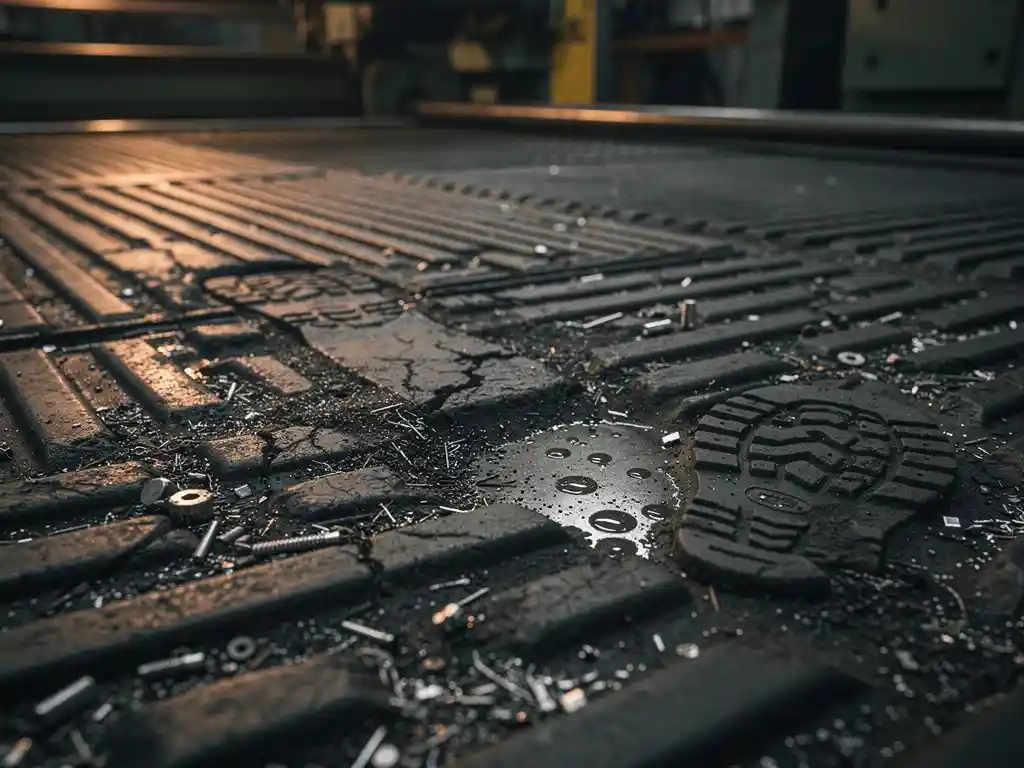
The biggest factors affecting floor maintenance are the type of flooring material, the volume and nature of traffic it receives, exposure to moisture, and the weight of loads placed on it. Installation quality and cleaning methods also play a significant role in how quickly a floor deteriorates. Understanding these factors helps facility managers make smarter decisions about flooring choices, maintenance schedules, and protective measures that extend floor life and reduce long-term costs.
What types of flooring are hardest to maintain?
Natural stone, hardwood, and polished concrete are among the most demanding floor types to maintain in commercial and industrial settings. These materials are sensitive to moisture, abrasion, and chemical exposure, which means they require frequent attention, specialized cleaning products, and periodic refinishing to stay in good condition. Vinyl and carpet also present challenges, particularly in high-traffic areas where wear and staining accumulate quickly.
Hardwood floors scratch and warp when exposed to moisture or heavy loads. Natural stone needs regular sealing to prevent staining and etching from acidic substances. Polished concrete, while durable, loses its finish under heavy foot traffic and requires repolishing over time. Carpet traps dirt and allergens deep in its fibers, making thorough cleaning difficult and expensive.
In contrast, materials like rubber are non-porous and resist moisture, chemicals, and abrasion, which makes them far easier to clean and maintain over the long term. For facility managers focused on keeping maintenance costs predictable, the flooring material itself is one of the first decisions worth getting right.
How does foot traffic volume affect floor wear and maintenance?
Higher foot traffic directly accelerates floor wear by increasing friction, surface abrasion, and the transfer of dirt and debris onto the floor. In high-traffic areas like entranceways, corridors, and production floors, even durable materials break down faster than their specifications suggest when they are not supported by protective measures or a regular maintenance routine.
The type of footwear matters as much as the volume of people. Steel-toed boots, high heels, and wheeled equipment all create concentrated pressure points that damage surface finishes and, over time, the floor structure itself. Areas near entry points are especially vulnerable because outdoor debris gets tracked in and acts as an abrasive underfoot.
Preventive maintenance in high-traffic zones typically involves more frequent cleaning cycles, the use of entrance matting to trap dirt and moisture at the door, and protective coverings in areas where equipment moves regularly. Scheduling inspections based on traffic intensity rather than a fixed calendar keeps maintenance proactive rather than reactive.
What role does moisture play in floor maintenance?
Moisture is one of the most damaging factors in floor maintenance because it affects almost every common flooring material. Water and humidity cause wood to swell and warp, weaken adhesive bonds under vinyl tiles, promote mold growth under carpet, and accelerate the corrosion of concrete surfaces. In commercial and industrial environments, unmanaged moisture significantly shortens floor lifespan and creates safety hazards like slip risks.
Sources of moisture in a facility include cleaning processes, condensation, liquid spills, and water tracked in from outside. Each source requires a different management approach. Spills need fast response protocols. Condensation in cold storage or manufacturing areas may require vapor barriers or drainage solutions. Entry points need matting systems that absorb and contain water before it spreads across the floor.
Choosing flooring materials that resist moisture absorption is a practical starting point. Non-porous surfaces do not allow water to penetrate, which limits the structural damage moisture can cause and makes cleaning simpler and faster.
How do heavy loads and equipment impact floor maintenance needs?
Heavy loads and equipment increase floor maintenance needs by creating concentrated pressure that causes cracking, surface indentation, and structural damage over time. Forklifts, pallet jacks, and heavy machinery exert far more force per square inch than foot traffic, which means flooring in industrial and warehouse settings degrades faster and requires more frequent inspection and repair.
The type of wheels or casters on equipment also matters. Hard, small-diameter wheels concentrate load onto a small surface area, causing more damage than larger, softer wheels that distribute weight more evenly. Repeated travel paths, such as forklift lanes, show wear much faster than surrounding areas and often need targeted protection or reinforcement.
Facility maintenance plans in industrial environments should account for load maps, identifying which areas carry the heaviest traffic from equipment and prioritizing those zones for inspection and protective measures. Using heavy-duty matting or floor protection in high-load areas reduces direct impact on the underlying floor and extends the time between costly repairs.
Does floor installation quality affect long-term maintenance?
Yes, installation quality has a direct and lasting impact on floor maintenance. A poorly installed floor develops problems faster, including uneven surfaces, lifting edges, and gaps between panels or tiles that trap dirt and moisture. These issues are not just cosmetic; they create tripping hazards, accelerate wear, and often require expensive repairs that a proper installation would have prevented entirely.
Common installation mistakes include inadequate subfloor preparation, improper adhesive application, insufficient expansion gaps for materials that expand with temperature changes, and misaligned seams. Each of these issues creates a weak point that worsens under normal use. The more traffic and load a floor receives, the more quickly poor installation becomes visible and costly.
Investing in professional installation and thorough subfloor assessment before laying any new flooring is one of the most effective forms of preventive maintenance available. The upfront cost is almost always lower than the ongoing expense of repairing a floor that was not installed correctly from the start.
What cleaning methods and products cause the most floor damage?
Harsh chemical cleaners, abrasive scrubbing tools, and excessive water application are the cleaning methods most likely to damage commercial flooring. Many facilities use products that are too aggressive for their floor type, stripping protective coatings, etching surfaces, or leaving residue that attracts more dirt. Over time, improper cleaning does as much damage as heavy use.
Chemicals that harm floor surfaces
Bleach, ammonia-based cleaners, and highly acidic or alkaline products can break down floor finishes, dull polished surfaces, and degrade adhesives. Even products marketed as general-purpose cleaners may be too strong for specific flooring materials. Always check the manufacturer’s recommendations before introducing a new cleaning product into your routine.
Mechanical damage from cleaning equipment
Stiff-bristle brushes and abrasive pads scratch surface finishes and remove protective coatings that slow wear. High-pressure water application forces moisture into seams and subfloor layers, causing swelling, delamination, and mold. Wet mopping without proper drying leaves standing water that compounds moisture damage over time.
A consistent, material-appropriate cleaning routine with the right products and tools is one of the simplest and most effective ways to extend floor life in any commercial or industrial setting.
How can rubber matting reduce overall floor maintenance costs?
Rubber matting reduces floor maintenance costs by acting as a protective barrier between foot traffic, equipment, and the underlying floor surface. By absorbing impact, trapping dirt and moisture, and preventing direct contact between damaging elements and the floor itself, rubber mats slow surface wear and reduce the frequency of cleaning, repairs, and refinishing. This makes them a practical and cost-effective addition to any facility maintenance strategy.
At entry points, rubber mats capture dirt and water before they spread across the floor, reducing the abrasive debris that causes surface scratches and the moisture that leads to warping or staining. In industrial zones, heavy-duty rubber matting protects concrete and other flooring from the impact of equipment, dropped tools, and concentrated loads. In areas where employees stand for long periods, anti-fatigue matting reduces floor wear while also improving worker comfort.
Rubber is non-porous, which means it does not absorb liquids and is easy to clean with mild detergent and water. It does not crack, peel, or crumble under temperature extremes, and it holds up under heavy use without requiring the kind of regular refinishing that other floor protection materials demand. For facilities looking to simplify their maintenance routines while protecting a significant infrastructure investment, rubber matting is one of the most practical options available.
At LRP Matting, we manufacture rubber mats for a wide range of commercial and industrial applications, from warehouse floors and assembly lines to gyms and retail environments. Our mats are made from 100% recycled materials, including our proprietary Fiber Reinforced Rubber Compound (FRC®), which gives them extra strength and durability for demanding environments. If you want to see how rubber matting fits your specific facility, explore our commercial matting solutions and find the right fit for your space.
Frequently Asked Questions
How often should I inspect my commercial floors to stay ahead of maintenance issues?
Inspection frequency should be driven by traffic intensity and floor type rather than a fixed schedule. High-traffic zones like entryways, corridors, and forklift lanes benefit from weekly visual checks, while lower-traffic areas can be assessed monthly. During inspections, look for surface scratches, lifting edges, moisture damage, and uneven wear patterns — catching these early prevents small issues from becoming costly repairs.
What's the best way to create a floor maintenance plan for a facility with multiple flooring types?
Start by mapping out each flooring material across your facility and documenting its specific cleaning requirements, recommended products, and known vulnerabilities. Then assign maintenance tasks and frequencies to each zone based on traffic volume and load exposure. Keeping material-specific product kits and clear staff instructions for each area prevents cross-contamination of cleaning methods, which is one of the most common causes of unintentional floor damage in mixed-floor facilities.
Can rubber matting be used on top of existing flooring without causing damage underneath?
Yes, rubber matting is generally safe to use on top of existing flooring, but a few precautions help prevent issues. Make sure the mat has a non-slip, non-staining backing and that the floor beneath is clean and dry before placement — trapped moisture under a mat can cause mold or adhesive weakening over time. Periodically lifting and cleaning both the mat and the floor surface underneath ensures the protected area stays in good condition.
How do I know when a floor has deteriorated beyond maintenance and actually needs to be replaced?
Signs that a floor has moved beyond the point of practical maintenance include structural cracking that has reached the subfloor, widespread delamination or lifting that cannot be re-adhered, persistent moisture intrusion that has caused mold or subfloor rot, and uneven surfaces that create tripping hazards. If repair costs for a section are approaching or exceeding 50–60% of replacement costs, replacement is typically the more economical long-term decision. A professional flooring assessment can help you make that call with confidence.
Are there specific industries or environments where floor maintenance is especially critical from a safety and compliance standpoint?
Yes — food processing, healthcare, manufacturing, and warehousing environments face the strictest floor maintenance requirements because deteriorating floors in these settings create serious safety and regulatory risks. In food processing facilities, floor cracks and gaps can harbor bacteria and lead to health code violations. In warehouses and manufacturing plants, damaged or slippery floors are a leading cause of workplace injuries covered under OSHA standards. Maintaining floors in these environments is not just a cost issue — it’s a legal and liability concern.
What's the most common mistake facility managers make when trying to reduce floor maintenance costs?
The most common mistake is cutting back on preventive maintenance — such as reducing cleaning frequency or skipping protective measures like entrance matting — in an effort to save money in the short term. This approach almost always leads to accelerated floor wear and larger repair or replacement costs down the line. Investing consistently in low-cost preventive measures, including the right cleaning products, proper matting, and routine inspections, is far more cost-effective than reacting to damage after it occurs.
How do I choose the right rubber mat thickness and hardness for my specific application?
Thicker, denser mats are better suited for industrial environments where heavy equipment, dropped tools, or prolonged standing are concerns, as they offer greater impact absorption and structural durability. Thinner, more flexible mats work well in retail or office entryways where the primary goal is dirt and moisture control. For anti-fatigue applications, look for mats with enough cushioning to reduce joint strain during extended standing, but firm enough to remain stable underfoot — your mat supplier should be able to recommend the right specification based on your load type, traffic volume, and floor surface.
Related Articles
- How do you improve hygiene in animal facilities?
- How do different facility environments affect floor performance?
- What are the warning signs of floor deterioration?
- What causes polished concrete to become slippery?
- How do you maintain a safe surface in a professional athletic facility year-round?
- What flooring works best in a high-moisture veterinary environment?
- How do you keep a horse stall dry without using excessive bedding?
- What is the best flooring for an equine breeding facility?
- What flooring is best for a large animal veterinary examination room?
- How do you cover an irregularly shaped horse stall floor?