
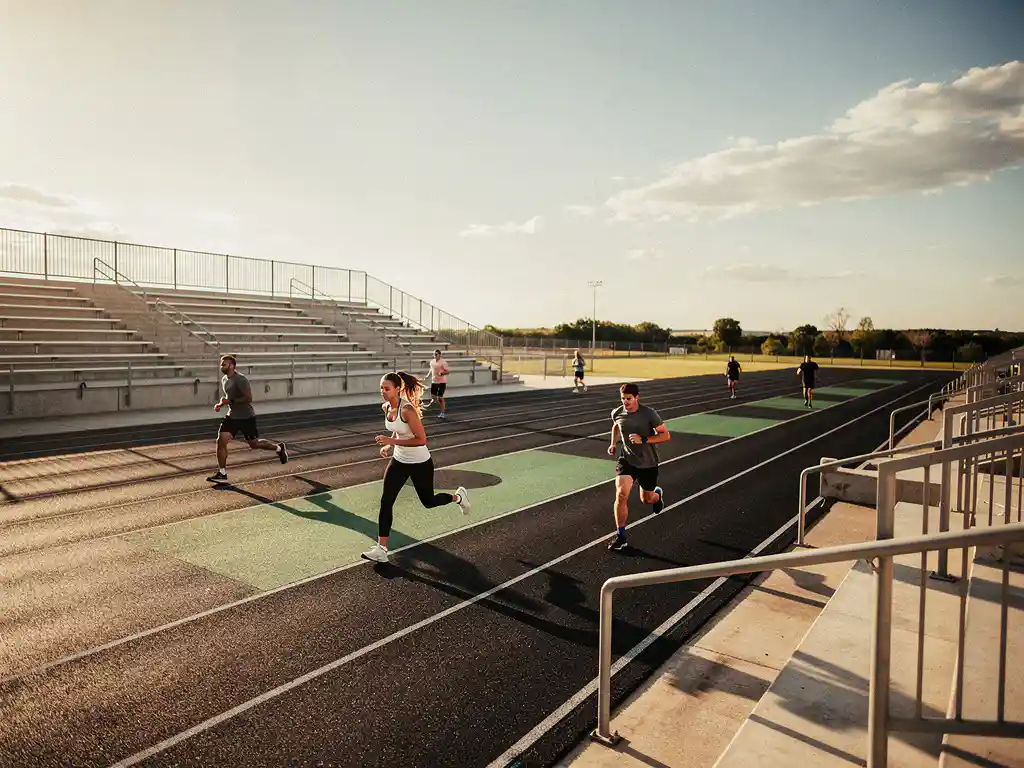
The best flooring for an outdoor athletic facility is rubber matting. It handles weather, heavy use, and constant foot traffic better than almost any other material. Rubber provides the grip, cushioning, and durability that outdoor sports environments demand, and it holds up across seasons without cracking, warping, or becoming a safety hazard. Whether you are setting up a training area, a disc golf course, or a multi-sport facility, rubber flooring is a practical, long-lasting choice.
What makes outdoor athletic facility flooring different from indoor flooring?
Outdoor sports facility flooring faces challenges that indoor flooring simply does not. It must withstand rain, UV exposure, temperature swings, and constant moisture, all while staying safe underfoot. Indoor flooring can rely on a controlled environment, but outdoor surfaces need to perform no matter what the weather throws at them.
The biggest differences come down to three factors: weather resistance, drainage, and surface stability. Indoor gym floors can be made from wood or foam because they stay dry and temperature-controlled. Outdoors, those same materials would warp, rot, or become dangerously slippery within a single season. Outdoor athletic flooring needs to drain water quickly, resist UV degradation, and remain dimensionally stable through freezing winters and hot summers.
Traction is another area where outdoor flooring requirements go further. Wet conditions significantly increase slip risk, so outdoor sports surfaces need textured or patterned finishes that maintain grip even when wet. The combination of safety, weather resistance, and long-term durability makes outdoor athletic flooring a completely different category from its indoor counterpart.
What are the best flooring materials for outdoor athletic facilities?
The best flooring materials for outdoor athletic facilities are rubber, poured polyurethane, artificial turf, and interlocking tiles. Each has its strengths depending on the sport and the specific demands of the space, but rubber consistently stands out for its combination of durability, safety, and low maintenance across a wide range of applications.
Rubber flooring
Rubber is non-porous, which means it does not absorb water, will not rot, and naturally resists mold and mildew. It handles impact well, provides consistent traction, and stays flexible in cold temperatures without cracking. These properties make it one of the most versatile outdoor sports facility flooring options available.
Poured polyurethane
Poured polyurethane surfaces are common on running tracks and tennis courts. They create a seamless, weather-resistant surface with good shock absorption. The downside is the higher installation cost and the need for professional installation to ensure the surface is level and properly cured.
Artificial turf
Artificial turf works well for team sports like football, soccer, and lacrosse. It mimics the feel of natural grass while draining water effectively. However, it can get very hot in direct sun and requires infill maintenance over time to keep the surface performing well.
Interlocking tiles
Interlocking tiles, often made from rubber or plastic, are easy to install and replace. They work well for multi-use areas where flexibility matters. Rubber interlocking tiles, in particular, offer a good balance of portability and performance for outdoor settings.
Why is rubber matting a top choice for outdoor athletic flooring?
Rubber matting is a top choice for outdoor athletic flooring because it combines impact absorption, slip resistance, weather durability, and low maintenance in one material. No other flooring type matches that combination as consistently or as cost-effectively over the long term.
The non-porous nature of genuine rubber is a major advantage outdoors. Water sits on the surface rather than soaking in, which means the mat does not degrade from moisture exposure. It cleans easily with water and mild detergent, and it will not crack, peel, or crumble even under extreme heat or cold. For a facility that operates year-round, that kind of resilience is genuinely valuable.
Rubber also provides natural cushioning that helps protect athletes from impact-related injuries. Whether someone is sprinting, jumping, or falling, a rubber surface absorbs energy in a way that hard concrete or asphalt simply cannot. That protective quality makes rubber matting relevant not just for performance, but for athlete safety and long-term well-being.
From a practical standpoint, rubber mats are also straightforward to install. Large-format mats reduce the number of seams across an area, which improves both the appearance and the safety of the surface by minimizing trip hazards at joints.
What flooring is best for specific outdoor sports and activities?
The best outdoor sports facility flooring varies by activity. Rubber matting suits multi-sport areas, weight training zones, and disc golf courses. Artificial turf works best for field sports. Poured polyurethane is ideal for tracks and courts. Matching the surface to the sport protects both athletes and the facility itself.
Multi-sport and training areas
For general-purpose outdoor training zones, rubber mats are hard to beat. A multipurpose sports mat, for example, creates a protective barrier that absorbs impact and stress, making it well suited to high-traffic areas in stadiums and outdoor gym facilities. These mats are available in large sizes, which keeps the number of seams low and the surface consistent.
Disc golf courses
Disc golf tee pads benefit from a durable, non-porous surface that improves footing and stays safe in wet conditions. Rubber mats designed specifically for disc golf courses provide exactly that, with easy installation and custom sizing options that match the exact dimensions of any tee pad.
Walls, fences, and impact zones
Outdoor athletic facilities often include walls or fencing that athletes can collide with during play. Rubber padding for these surfaces, such as fence-guard matting, absorbs high-speed impacts and protects both the athlete and the infrastructure. This type of protective matting is easy to mount and built to handle repeated contact without degrading.
Running tracks and courts
For dedicated running tracks and tennis or basketball courts, poured polyurethane or specialized sports court tiles tend to be the better fit. These surfaces are engineered for the specific biomechanics of those activities and provide the right blend of firmness and give.
How do you choose the right thickness for outdoor athletic flooring?
The right thickness for outdoor athletic flooring depends on the level of impact the surface needs to absorb. Light-use areas and walkways can work well with quarter-inch to half-inch matting. High-impact training zones, weight areas, and surfaces where athletes fall or jump need thicker mats, typically half an inch or more, to adequately protect athletes and the surface beneath.
Thicker mats absorb more energy, which reduces stress on joints during high-intensity activities. For areas like outdoor weight platforms or multi-sport training pads, a half-inch thickness provides a good balance of cushioning and stability. Going thicker than necessary can create instability for activities that require a firm, flat surface, such as sprinting or agility drills.
For protective applications like fence padding or wall guards, thickness relates more to impact resistance than underfoot comfort. A quarter-inch rubber fence guard, for instance, is designed to absorb the force of an athlete hitting a wall at speed, so the focus is on the material’s density and resilience rather than its cushioning depth.
Always consider the subfloor as well. Concrete or asphalt subfloors are unforgiving, so matting on top of them should lean toward the thicker end of the range. A compacted gravel or grass base has some natural give, which means you may not need as much thickness from the mat itself.
How do you install and maintain outdoor athletic facility flooring?
Installing outdoor athletic flooring starts with preparing a clean, level, stable subfloor. Rubber mats can be laid directly onto concrete, asphalt, or compacted surfaces. For maintenance, rubber flooring is straightforward: rinse with water and clean with mild detergent as needed. Its non-porous surface resists moisture, mold, and debris buildup, keeping upkeep minimal over the long term.
Installation tips
- Start with a level, clean subfloor to prevent uneven surfaces and trip hazards.
- Choose large-format mats where possible to reduce seams, which are both a safety risk and a maintenance point.
- Use interlocking designs for modular areas where sections may need to be replaced or reconfigured.
- For wall and fence padding, make sure mounting hardware is rated for outdoor conditions to prevent corrosion.
- Consider custom-cut mats for irregular spaces to avoid gaps or overlaps that compromise safety.
Maintenance best practices
- Rinse the surface regularly to remove dirt, debris, and any organic material that could become slippery.
- Use mild detergent and water for deeper cleaning, avoiding harsh solvents that can degrade rubber over time.
- Inspect seams and edges periodically for lifting or wear, especially in high-traffic zones.
- Check wall and fence padding for secure mounting after periods of heavy use or extreme weather.
One of the most useful things you can do during installation is invest in the right sizing from the start. Custom, made-to-measure rubber mats cut to your exact dimensions reduce seams, simplify the installation process, and give your facility a cleaner, more professional finish. If your space has unusual dimensions or specific layout requirements, working with a supplier that offers custom rubber matting solutions saves you time and avoids the compromises that come with forcing standard sizes into non-standard spaces.
At LRP Matting, we have been helping facilities get their flooring right since 1971. Our rubber mats are made from 100% recycled materials, built to handle outdoor conditions year-round, and available in custom sizes that fit your space precisely. If you are planning an outdoor athletic facility and want flooring that genuinely performs, we are happy to help you find the right solution.
Frequently Asked Questions
How long does outdoor rubber matting typically last before it needs to be replaced?
High-quality outdoor rubber matting can last 10 to 20 years or more when properly installed and maintained. The lifespan depends on factors like UV exposure, traffic intensity, and how well the subfloor was prepared. Mats made from dense, recycled rubber tend to hold up especially well because the material is already conditioned to resist environmental stress. Regular inspections for edge lifting, surface cracking, or seam separation will help you catch wear early and extend the overall life of the installation.
Can outdoor rubber mats be installed directly on grass or soil?
Rubber mats can be placed on grass or soil for temporary setups, but it is not recommended for permanent athletic facilities. Soft or uneven ground causes the mats to shift, buckle, and create uneven surfaces that become trip hazards over time. For a long-term installation, a compacted gravel base or a concrete and asphalt subfloor provides the stability needed to keep the surface flat and safe. If a permanent base is not possible, interlocking rubber tiles with drainage gaps are a better option for semi-permanent setups on natural ground.
What is the best way to prevent outdoor rubber mats from shifting or moving?
The most effective way to prevent movement is to start with a flat, stable subfloor that eliminates any unevenness beneath the mat. For large-format mats, the weight of the rubber itself is often enough to keep them in place on a solid base. In higher-traffic areas or on sloped surfaces, adhesive designed for outdoor rubber applications or mechanical fasteners at the edges can add extra security. Choosing mats with interlocking edges is another practical option for modular layouts where individual sections might otherwise drift apart under repeated use.
Is outdoor rubber flooring safe for children's athletic programs and youth sports facilities?
Yes, rubber flooring is one of the safest surface choices for youth athletic programs. Its natural shock absorption reduces the impact on developing joints during running, jumping, and falling, which is especially important for younger athletes. The textured surface maintains grip in wet conditions, lowering the risk of slips and falls. Look for mats that are free from harmful additives and made from recycled rubber that meets safety standards, and ensure the thickness is appropriate for the activity level, with half an inch or more recommended for high-impact youth sports areas.
How do I handle rubber mat installation in an area with drainage slopes or uneven grades?
For areas with intentional drainage slopes, the key is to ensure the subfloor grade is consistent and gradual enough that the mat surface remains stable underfoot. Rubber mats are flexible enough to conform slightly to mild slopes without creating safety issues. For more significant grade changes, working with a supplier to get custom-cut mats that account for the slope geometry will give you a cleaner, safer result than trying to adapt standard-size mats. Avoid sharp transitions between mat sections on sloped surfaces, as these create edge-lifting risks that worsen over time with water runoff and temperature cycling.
Can outdoor rubber flooring be used in covered or partially shaded areas, and does it affect performance?
Rubber flooring performs excellently in covered or partially shaded outdoor areas, and in some ways those conditions extend its lifespan by reducing direct UV exposure. Shaded areas do tend to stay wetter for longer after rain, so it is worth choosing a rubber mat with a drainage-friendly surface texture to prevent water pooling. The performance characteristics of the mat, including traction, cushioning, and stability, remain consistent regardless of sun exposure. If your facility has a mix of exposed and covered zones, the same rubber matting product can typically be used throughout for a uniform surface.
What common mistakes should I avoid when planning outdoor athletic facility flooring?
The most common mistakes are underestimating the importance of subfloor preparation, choosing the wrong thickness for the activity, and using indoor-rated flooring products in outdoor settings. Skipping proper subfloor leveling leads to uneven surfaces, premature wear, and safety hazards that are costly to fix after installation. Choosing mats that are too thin for high-impact zones results in inadequate protection and faster material breakdown. Always verify that any product you select is specifically rated for outdoor use and UV exposure, and invest in custom sizing upfront rather than trying to work around awkward dimensions with standard cuts.
Related Articles
- What flooring improvements can increase workplace comfort?
- How do you build a floor maintenance plan?
- What areas of a facility have the highest slip risk?
- How do uneven floors increase accident risk?
- How do you maintain a safe surface in a professional athletic facility year-round?
- How do you make a horse trailer safer for loading and unloading?
- How do you make a horse feel more comfortable during long trailer rides?
- How do you make a horse stall more comfortable for an older horse?
- Can a hard barn floor cause tendon damage in horses?
- How do you stop horse stall mats from shifting?