
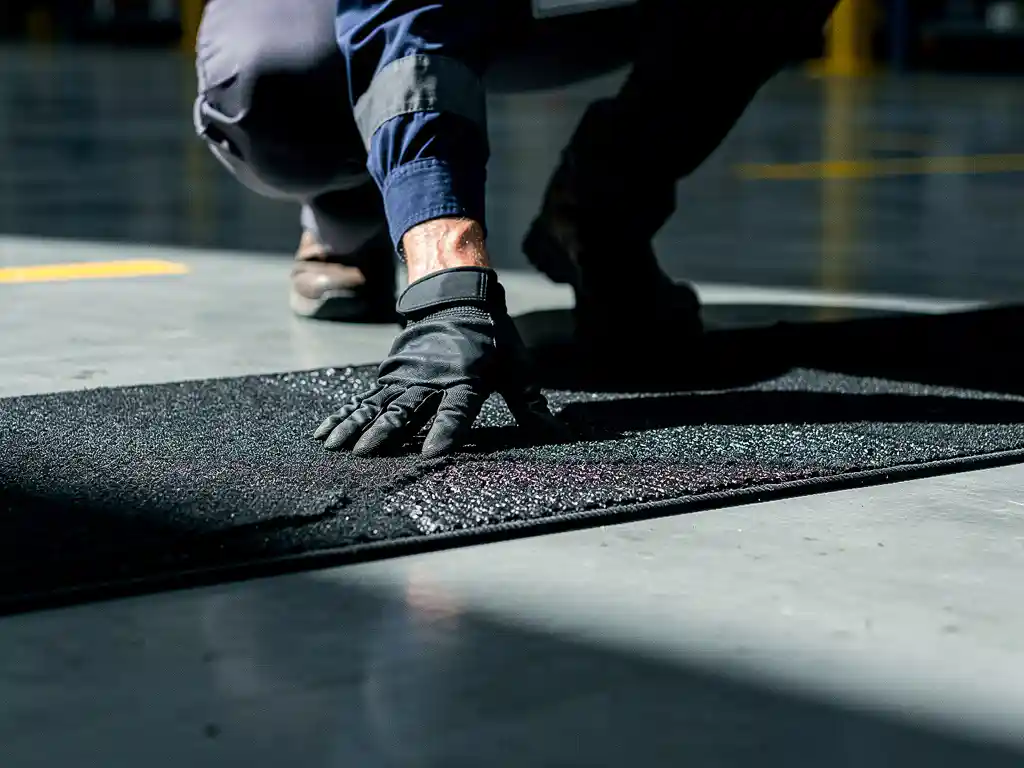
A commercial floor inspection should cover the condition of all flooring surfaces, joints, edges, drainage points, and any matting or protective coverings in the space. Inspectors check for visible damage, safety hazards, and signs of wear that could affect the safety or usability of the floor. For most commercial facilities, a routine inspection includes a structured walkthrough, a written record of findings, and clear recommendations for repair or replacement. The sections below break down each part of that process in practical detail.
What areas should be covered during a commercial floor inspection?
A commercial floor inspection should cover every surface where people walk, work, or operate equipment. This includes the main floor area, transitions between flooring types, edges and perimeters, drainage channels, ramps, and any matting or anti-fatigue systems in place. High-traffic zones, loading areas, and wet or oily environments deserve extra attention because they experience the most wear and carry the highest risk.
Beyond the visible surface, a thorough inspection also looks at the substrate beneath the floor covering. Soft spots, uneven areas, or hollow sounds when walking can indicate problems below the surface that are not yet visible from above. Expansion joints and seams between flooring sections are also worth checking, since these are common entry points for moisture and can become trip hazards if they start to lift or separate.
Do not overlook areas that are partially covered by shelving, equipment, or furniture. Damage underneath fixed objects is easy to miss and often goes unaddressed until it becomes a bigger problem.
What are the signs of floor damage inspectors should look for?
Inspectors should look for cracks, chips, surface delamination, discoloration, soft or spongy areas, lifting edges, and uneven surfaces. These are the most common signs that a floor has been compromised and may need repair or replacement. In wet environments, staining or efflorescence (white mineral deposits) can indicate moisture infiltration from below.
Different flooring materials show damage in different ways. Concrete may crack or spall. Vinyl and laminate can bubble, peel, or separate at seams. Rubber flooring can harden, shrink, or develop tears over time. Tile grout may erode, allowing tiles to shift. Knowing what to look for based on the material type helps inspectors identify problems at an earlier stage, before they become costly repairs.
Pay close attention to areas near entry points, loading docks, and anywhere cleaning equipment is regularly used. These spots tend to deteriorate faster and are often where the first signs of serious damage appear.
How often should a commercial floor inspection be carried out?
Most commercial facilities should carry out a floor inspection at least once every three to six months as part of routine preventive maintenance. High-traffic or high-risk environments, such as warehouses, food processing plants, or manufacturing floors, benefit from monthly checks. A formal annual inspection by a qualified professional is also recommended to assess structural integrity and compliance.
The right frequency depends on how the space is used. A retail store with consistent foot traffic has different needs than a factory floor exposed to heavy machinery, chemicals, or moisture. Facility management teams should factor in the type of flooring, the nature of the work being done, and the volume of daily activity when setting an inspection schedule.
Seasonal changes can also affect flooring. Cold temperatures cause some materials to contract and crack, while humidity in warmer months can cause swelling or adhesive failure. Scheduling inspections at the start of each season is a practical way to catch weather-related damage early.
What safety hazards should a floor inspection identify?
A floor inspection should identify slip hazards, trip hazards, and any surface conditions that increase the risk of injury. Slip hazards include wet or oily surfaces, worn anti-slip coatings, and smooth flooring in areas that should have grip. Trip hazards include raised edges, curling mats, uneven transitions, and cracks wide enough to catch a shoe or wheel.
Beyond slips and trips, inspectors should also flag:
- Exposed fasteners or sharp edges that could cause cuts or punctures
- Soft or unstable sections that may give way under load
- Drainage issues that allow standing water to accumulate
- Floor markings or safety lines that have faded and are no longer visible
- Matting that has shifted, bunched, or lost its grip on the surface below
Facility maintenance teams should document each hazard with enough detail to prioritize corrective action. A minor scuff near a storage room carries a different urgency than a cracked tile in a main pedestrian corridor.
What should be documented after a commercial floor inspection?
After a commercial floor inspection, you should document the location and description of every defect found, the severity of each issue, photographs where possible, and a recommended course of action. A written inspection report creates a record that supports maintenance planning, insurance claims, and regulatory compliance.
Good documentation includes:
- The date and name of the person who carried out the inspection
- A floor plan or zone map showing where each issue was identified
- A description of each defect and the flooring material affected
- A severity rating (for example: low, medium, high, or immediate action required)
- Photographs that clearly show the condition of the floor
- Recommended repair or replacement actions with a suggested timeline
- Any follow-up actions taken since the previous inspection
Keeping a consistent record over time also helps facility managers spot patterns. If the same area keeps showing up in every report, that is a signal to investigate the root cause rather than repeatedly patching the same spot.
When should commercial flooring be replaced rather than repaired?
Commercial flooring should be replaced rather than repaired when damage is widespread, when repeated repairs are no longer holding, or when the flooring no longer meets safety or hygiene standards. Patching individual spots makes sense for isolated damage, but when a floor has multiple failing areas, replacement is usually the more cost-effective long-term decision.
Other signs that replacement is the right call include:
- The flooring has exceeded its expected service life
- Moisture or contamination has penetrated below the surface layer
- The substrate has been compromised and can no longer support the floor covering
- The current flooring does not meet current safety or industry requirements
- Maintenance costs are consistently high relative to the value of the floor
When replacement is necessary, it is also a good opportunity to evaluate whether the original flooring choice was the right fit for the environment. In many commercial and industrial settings, upgrading to a more durable material, such as a high-quality rubber flooring system, can significantly reduce future maintenance demands and improve safety outcomes over the long term. At LRP Matting, we offer a range of durable rubber matting solutions built for exactly these kinds of demanding environments. If you are considering an upgrade, take a look at our commercial flooring solutions to find the right fit for your space.
Frequently Asked Questions
Can I carry out a commercial floor inspection myself, or do I need to hire a professional?
Routine inspections can absolutely be carried out by a trained member of your in-house facilities or maintenance team, provided they know what to look for and follow a consistent checklist. However, a qualified flooring professional or independent inspector should be brought in at least once a year to assess structural integrity, substrate conditions, and compliance with relevant safety standards. For complex environments like food processing facilities or industrial floors, professional assessments may be required more frequently.
What is the best way to prioritize repairs after an inspection identifies multiple issues?
Start by addressing any hazards that pose an immediate risk of injury, such as raised edges in high-traffic corridors, standing water near electrical equipment, or unstable flooring sections. Once urgent safety issues are resolved, work through remaining defects in order of severity and location, prioritizing areas with the highest footfall or operational impact. Using a severity rating system in your inspection report, such as low, medium, high, and immediate action required, makes this triage process much easier to manage consistently.
How can I tell if a flooring problem is a surface issue or a substrate problem?
A few practical tests can help distinguish between the two. Walk slowly across the area and listen for hollow sounds or feel for any flex or bounce underfoot, both of which suggest the substrate may be compromised rather than just the surface layer. Visible moisture, efflorescence, or adhesive failure that keeps recurring after repair is another strong indicator that the problem originates below the surface. When in doubt, a professional assessment is the safest course of action before committing to a surface repair that may not hold.
What common mistakes do facilities teams make when conducting floor inspections?
One of the most common mistakes is only inspecting the most visible or accessible areas and skipping zones that are partially covered by equipment, shelving, or furniture. Another frequent oversight is failing to document findings consistently, which makes it difficult to track whether problems are getting worse over time or to demonstrate due diligence in the event of an incident. Inspections also tend to focus on surface damage while missing early warning signs in joints, seams, drainage points, and transitions, which are often where serious deterioration begins.
Are there any regulations or standards that commercial floor inspections need to comply with?
Requirements vary depending on your industry, location, and the type of facility you operate, but most commercial environments are subject to workplace health and safety legislation that includes obligations around floor condition and slip resistance. Sectors such as food production, healthcare, and warehousing may also be governed by industry-specific standards or hygiene codes that set minimum requirements for flooring surfaces and drainage. It is worth consulting with a health and safety advisor or your local regulatory authority to confirm which standards apply to your specific facility.
How does the choice of flooring material affect how often inspections need to be done?
More durable flooring materials, such as high-quality rubber or epoxy-coated concrete, generally require less frequent intervention and tend to show early signs of wear more clearly, making inspections easier to conduct. Softer or thinner materials like vinyl, laminate, or lightweight matting may need to be checked more regularly, especially in high-traffic or wet environments where they are more susceptible to rapid deterioration. Choosing a flooring material that is well-matched to the demands of your environment is one of the most effective ways to reduce inspection frequency and long-term maintenance costs.
What should I do if a safety hazard is identified mid-inspection before the report is even complete?
Any hazard that poses an immediate risk should be addressed or isolated on the spot, before the inspection is finished and before the formal report is written up. This might mean placing a wet floor sign, cordoning off the area, or removing a mat that has shifted and become a trip hazard. Make a note of the hazard, the time it was identified, and the immediate action taken, and include this in your final report. Waiting until the report is complete to act on a serious hazard is not an acceptable approach from either a safety or a liability standpoint.
Related Articles
- What are the most common causes of slip and fall accidents?
- What areas of a facility have the highest slip risk?
- What is the most low-maintenance horse stall setup?
- What is the difference between interlocking and straight edge stall mats?
- How do you stop floor damage in a high-traffic shipping and receiving area?
- What is the best flooring for a horse wash rack?
- What is the best way to protect a loading dock floor?
- How do you prevent bacteria buildup in a veterinary stall floor?
- How does stall flooring affect a horse's hooves long term?
- How do you choose the right floor protection for a construction site?